
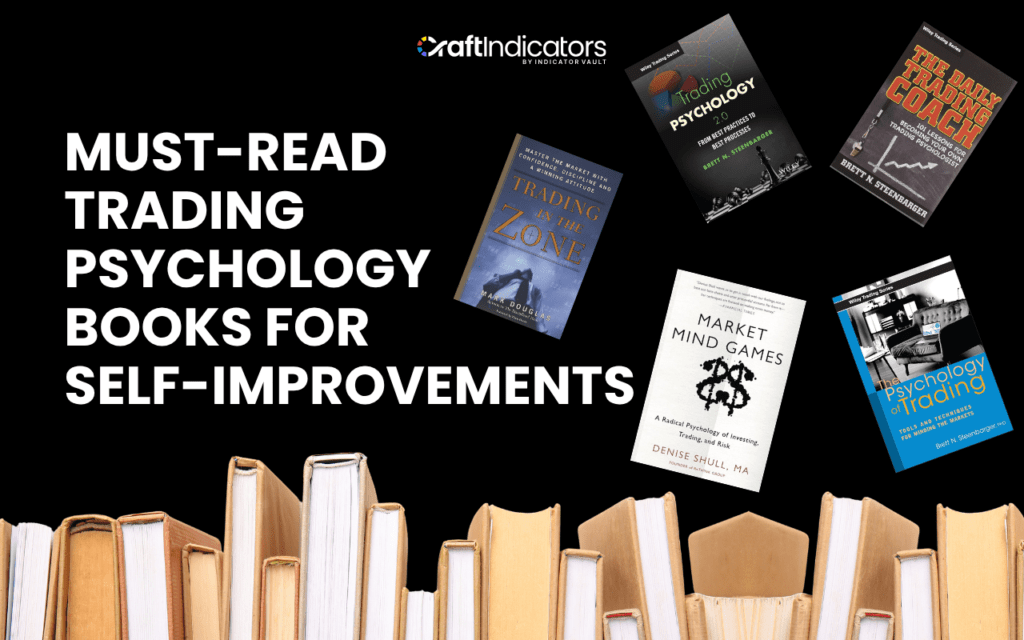
Trading is not just about charts or strategies. The real challenge lies in mastering your own mind. Fear, greed, hesitation, and overconfidence can sabotage even the best setups. The most successful traders understand that trading psychology is a skill to be trained, not a side note to ignore.
In this guide, you will discover the 10 most recommended trading psychology books that traders around the world rely on. From classics to modern favorites, these books will help you strengthen your mindset, build trading discipline, and achieve trading consistency.
1. Trading in the Zone by Mark Douglas
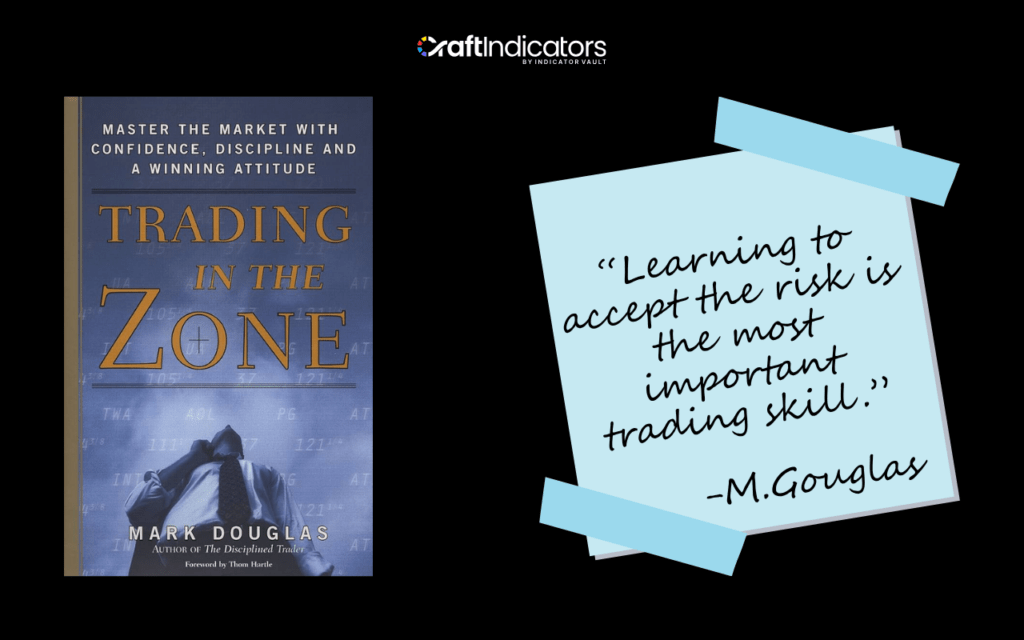
Goodreads rating: 4.31/5 from 10,000+ ratings
Average price: $15–20 USD (paperback on Amazon, Kindle, audiobook also available).
Mark Douglas’s Trading in the Zone is considered the definitive book on trading psychology. His central philosophy is that consistency comes from thinking in probabilities, not certainties. Traders must detach their self‑worth from trade outcomes and embrace uncertainty as part of the game.
The book’s philosophy resonates strongly in trading communities, especially on Reddit, where it is frequently called the “Bible of trading psychology.” It is praised for helping traders break free from emotional traps like fear, greed, and hesitation.
Instead of treating a losing trade as a personal failure, Douglas encourages traders to see it as part of the statistical distribution of outcomes. This mindset allows traders to detach emotionally and build confidence through discipline.
Of course, the style of the book leans more philosophical than practical. Some readers find Douglas’s repetition challenging, but that repetition is intentional, designed to rewire thought patterns. It does not provide strategies or technical setups, but its strength lies in reshaping how traders think about risk and uncertainty.
Actionable Takeaways
The most actionable lesson from Trading in the Zone is to adopt a probability‑based identity. A trader who thinks in probabilities no longer fears losses because they are expected and accepted.
- Write a statement: “I am a trader who thinks in probabilities.”
- Journal trades with focus on execution quality, not profit or loss.
- Review losing trades as feedback, not personal failure.
2. Trading Psychology 2.0 by Brett Steenbarger
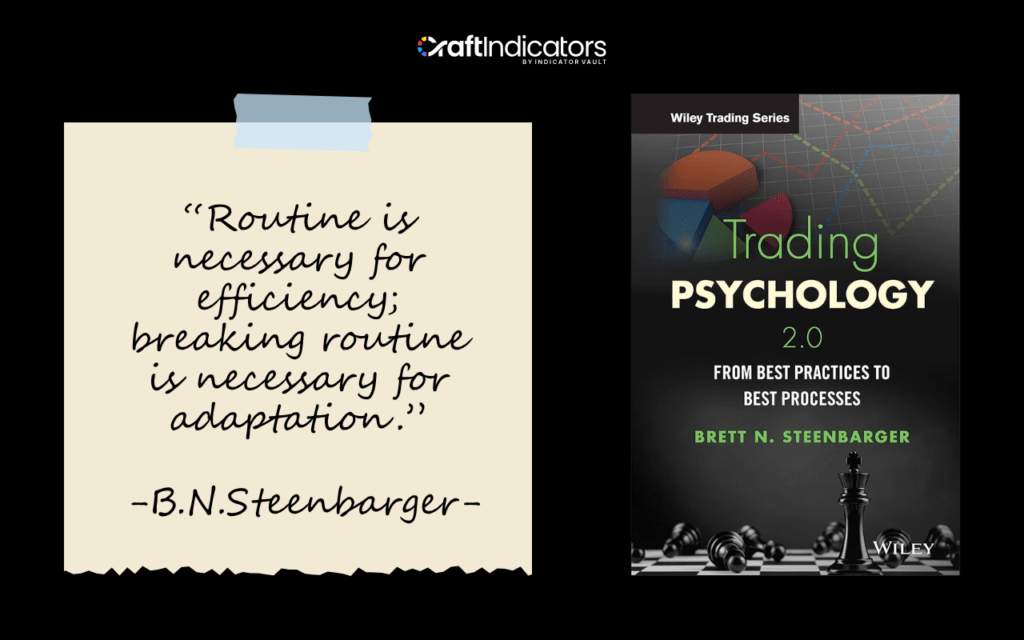
Goodreads rating: 4.18/5 from 100+ ratings
Average price: 25–30 USD (hardcover and Kindle editions available)
Brett Steenbarger’s Trading Psychology 2.0 reframes psychology as a performance edge rather than just a way to control emotions. His central idea is that traders should build on their strengths instead of obsessing over weaknesses.
The book blends academic research with practical coaching insights. Steenbarger draws from his experience working with professional traders, making the lessons feel grounded in real trading environments.
Readers value its depth and detail, though beginners may find it dense. The writing is analytical, but this precision is what makes the book so impactful for serious traders who want to optimize their mindset.
Actionable Takeaways
One of the most practical insights from Trading Psychology 2.0 is the idea that mindset is not fixed but can be trained like any other trading skill.
- Journal not only mistakes but also what went well in each trading session.
- Create a daily ritual that reinforces discipline, such as reviewing setups before the market opens.
- Focus on building strengths rather than only fixing weaknesses.
3. The Daily Trading Coach by Brett Steenbarger
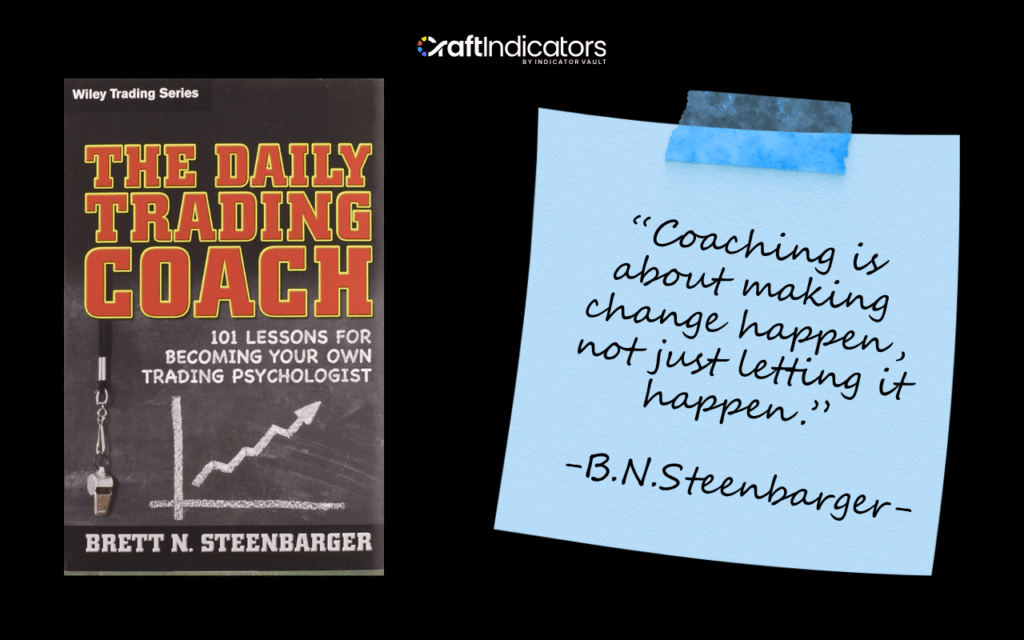
Goodreads rating: 4.2/5 from 400+ ratings
Average price: 20–25 USD (paperback and Kindle editions available)
Brett Steenbarger’s The Daily Trading Coach is designed as a practical guide with 101 lessons that traders can apply one day at a time. Each lesson is short, actionable, and focused on building discipline and emotional control through daily practice.
The book is popular because it feels like having a mentor by your side. Steenbarger combines psychology with coaching techniques, encouraging traders to reflect on their behavior and gradually build stronger habits. Readers appreciate its structure, which makes it easy to digest and apply without feeling overwhelming.
Some find the sheer number of lessons repetitive, but that repetition reinforces the idea that psychology is trained through consistency. It is not a book to read once and shelve, but rather a resource to revisit regularly as part of a trader’s routine.
Actionable Takeaways
The most practical insight from The Daily Trading Coach is to treat each trading day as an opportunity for self‑coaching.
- Begin each session with a short reflection or affirmation.
- End the day by journaling one lesson learned.
- Use repetition to build discipline and reinforce positive habits.
4. The Psychology of Trading by Brett Steenbarger
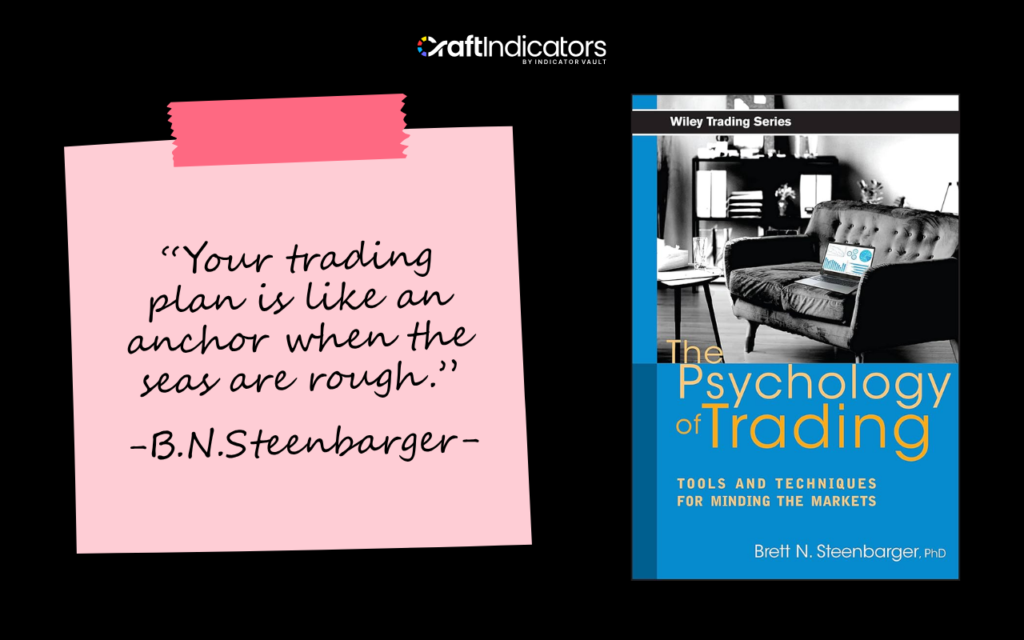
Goodreads rating: 4.19/5 from 300+ ratings
Average price: 20–25 USD (paperback and Kindle editions available)
Brett Steenbarger’s The Psychology of Trading blends academic research with real stories from traders. It explores how emotions and cognitive biases shape decisions, often leading to impulsive or irrational behavior.
The book is valued because it connects theory with practice. Steenbarger uses case studies to show how traders react under pressure, making the lessons relatable and easy to apply. Readers often highlight its ability to help them recognize their own emotional triggers.
Some find the writing more clinical compared to his later works. It can feel heavy at times, but this depth is what makes it useful for traders who want to understand the psychological roots of their behavior.
Actionable Takeaways
The most practical insight from The Psychology of Trading is to identify and manage emotional triggers before they influence decisions.
- Keep a journal of emotional states during trades.
- Review case studies and compare them with your own experiences.
- Practice self‑awareness to catch impulsive reactions early.
5. Market Mind Games by Denise Shull
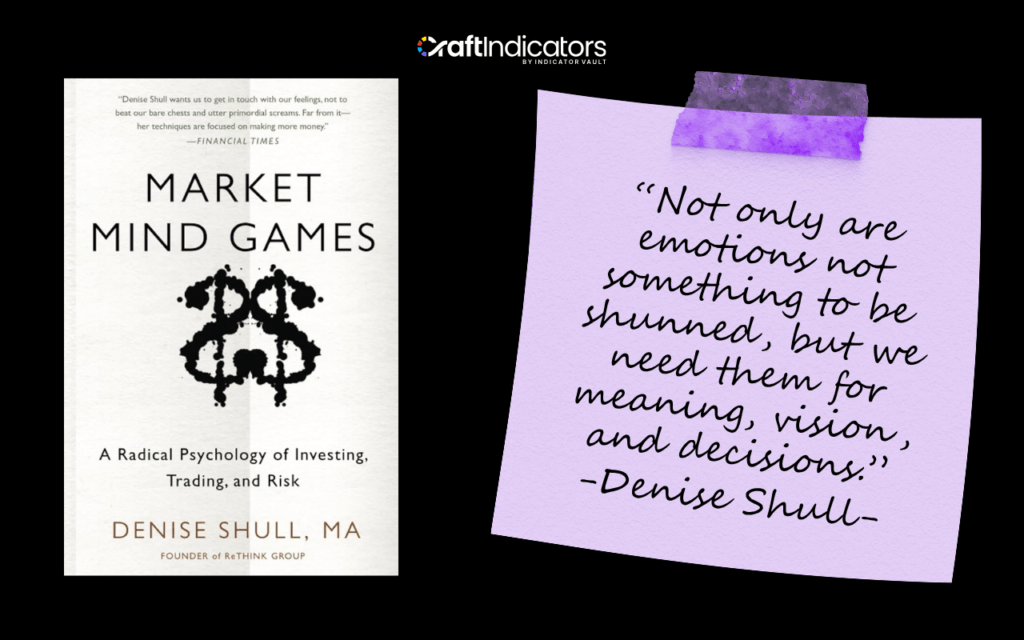
Goodreads rating: 3.67/5 from 400+ ratings
Average price: 18–22 USD (paperback and Kindle editions available)
Denise Shull’s Market Mind Games takes a neuroscience‑based approach to trading psychology. Her central argument is that emotions are not the enemy of traders but valuable data that can guide better decisions.
The book is praised for its fresh perspective. Instead of teaching traders to suppress fear or hesitation, Shull explains how to interpret those feelings as signals. This helps traders develop intuition and emotional awareness.
Some readers find the writing more complex than traditional trading psychology books. It blends science with narrative, which can feel heavy at times, but those who persist often discover insights that reshape how they view decision making.
Actionable Takeaways
The most practical lesson from Market Mind Games is to treat emotions as information rather than obstacles.
- Note emotional reactions during trades and analyze them afterward.
- Use feelings of hesitation as prompts to review risk, not as reasons to avoid action.
- Practice mindfulness to distinguish between fear that signals danger and fear that reflects uncertainty.
6. Best Loser Wins by Tom Hougaard
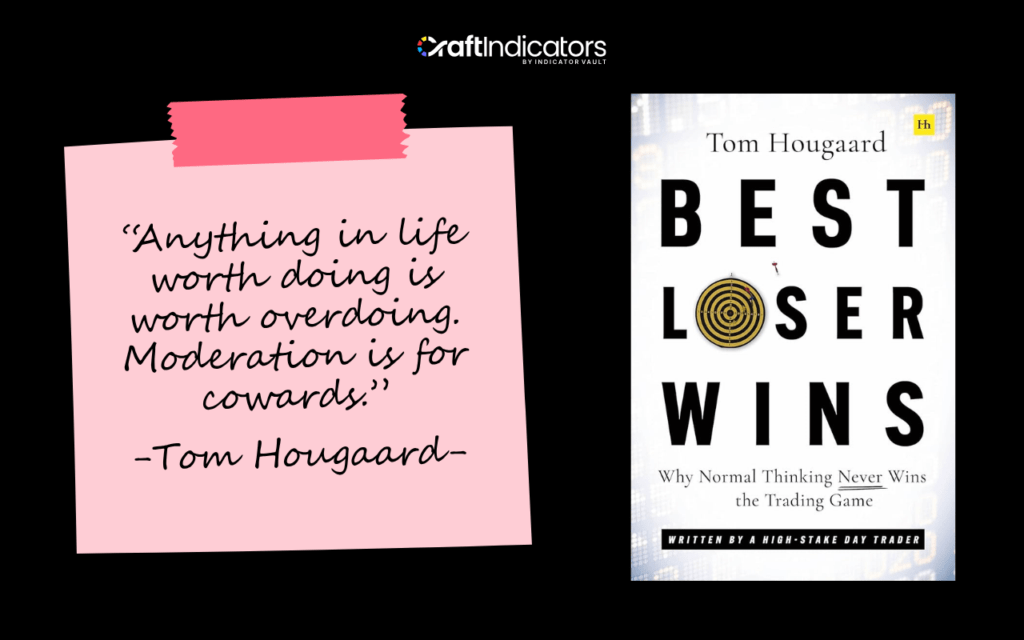
Goodreads rating: 4.47/5 from 2,000+ ratings
Average price: 20–25 USD (paperback and Kindle editions available)
Tom Hougaard’s Best Loser Wins challenges the traditional mindset of traders by arguing that success comes from learning how to lose well. He emphasizes that losses are inevitable, but the way traders respond to them determines long‑term performance.
The book is praised for its raw honesty and practical insights. Hougaard shares personal experiences and failures, making the lessons relatable and authentic. Readers often highlight how the book helps them reframe losses as part of the journey rather than something to fear.
Some find Hougaard’s tone intense, as he writes with passion and urgency. This style can be motivating but may feel overwhelming to those who prefer a calmer approach. Still, the book’s strength lies in its ability to inspire resilience and mental toughness.
Actionable Takeaways
The most practical lesson from Best Loser Wins is to embrace losses as feedback rather than setbacks.
- Record losing trades and analyze them without judgment.
- Focus on discipline and execution rather than avoiding losses.
- Build resilience by treating each loss as tuition for long‑term success.
7. The Disciplined Trader by Mark Douglas
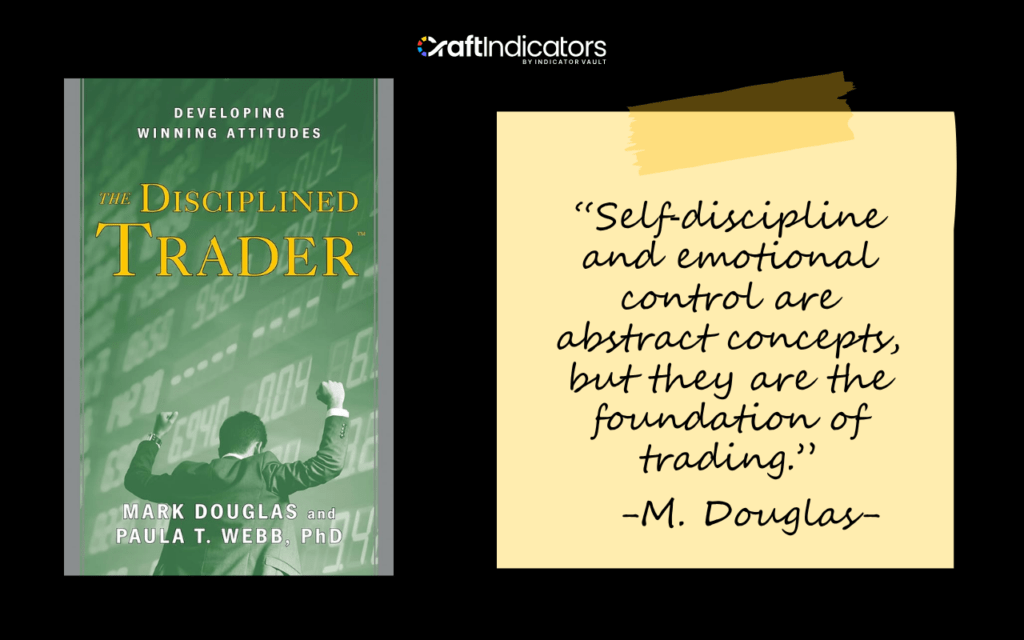
Goodreads rating: 4.19/5 from 2,000+ ratings
Average price: 15–20 USD (paperback and Kindle editions available)
Mark Douglas’s The Disciplined Trader was his first major work on trading psychology. It focuses on the emotional challenges traders face and the importance of discipline in building consistency.
The book is praised for its honesty about the struggles of trading. Douglas explains how fear and overconfidence can sabotage performance, and why mastering emotions is as important as mastering strategies.
Some readers find the writing less polished compared to Trading in the Zone. Still, it remains a foundational text that highlights the psychological barriers traders must overcome.
Actionable Takeaways
- Create a personal trading plan and commit to following it.
- Recognize emotional triggers before they influence decisions.
- Treat discipline as the foundation of long‑term success.
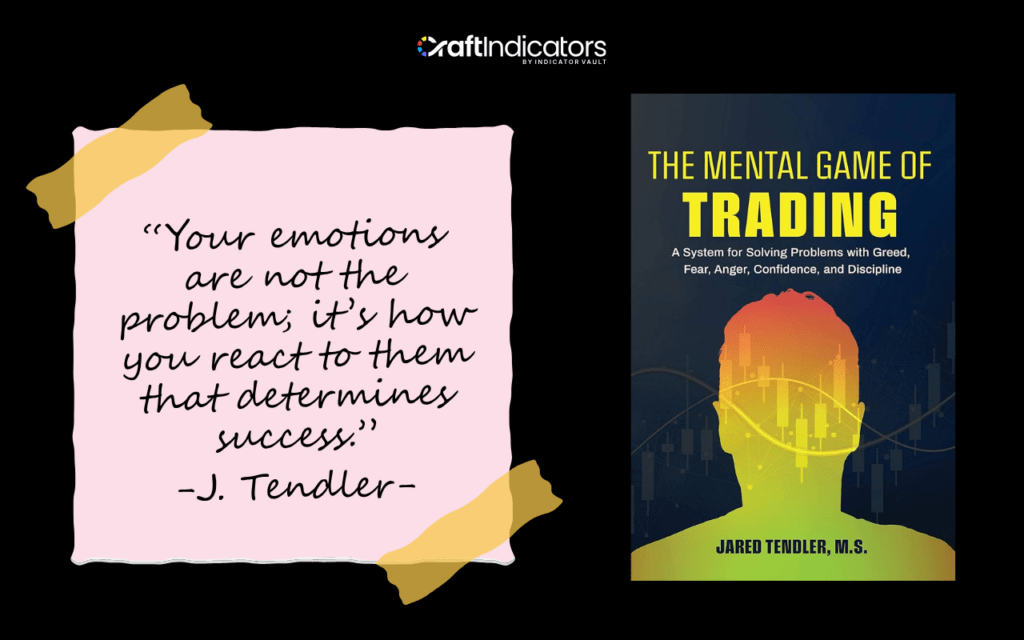
8. The Mental Game of Trading by Jared Tendler
Goodreads rating: 4.25/5 from 600+ ratings
Average price: 20–25 USD (paperback and Kindle editions available)
Jared Tendler’s The Mental Game of Trading adapts his coaching experience from poker and sports into trading. He argues that mental leaks, such as tilt or fear, are the biggest obstacles to consistent performance.
The book is valued for its practical framework. Tendler provides exercises to identify emotional patterns and build strategies to manage them. Readers appreciate its structured approach to self‑coaching.
Some find the examples drawn from poker unusual, but the parallels to trading are clear. The book’s strength lies in its actionable tools for building mental resilience.
Actionable Takeaways
- Track emotional reactions during trades to spot recurring patterns.
- Develop a routine to reset focus after setbacks.
- Use structured exercises to strengthen mental discipline.
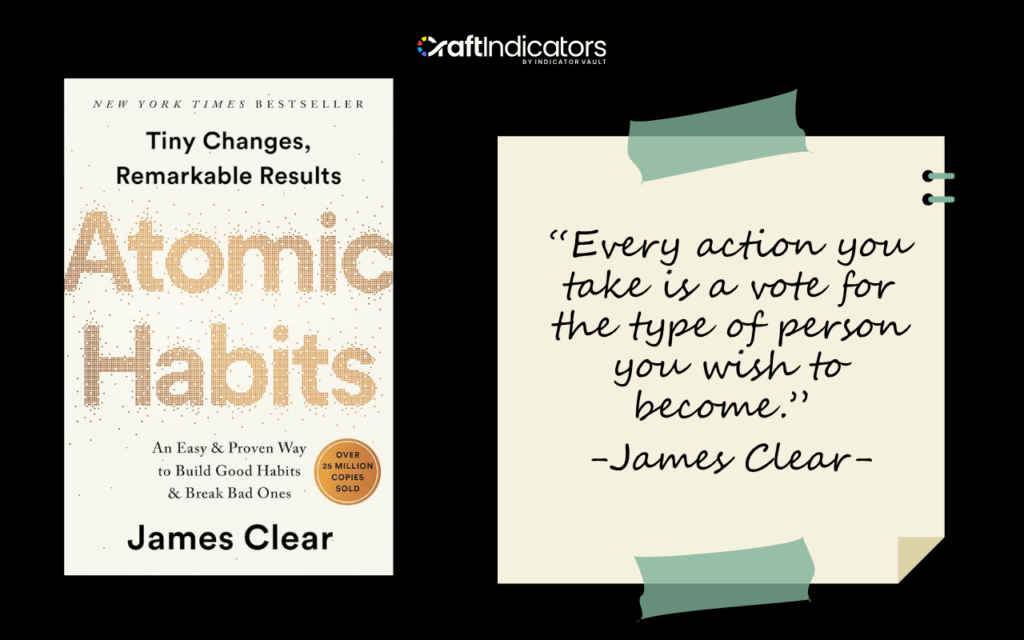
9. Atomic Habits by James Clear
Goodreads rating: 4.31/5 from 1,300,000+ ratings
Average price: 15–20 USD (paperback, hardcover, Kindle, audiobook available)
James Clear’s Atomic Habits is not trading‑specific but is widely recommended by traders. It teaches how small, consistent changes compound into significant results over time.
The book is praised for its clarity and practicality. Clear explains how to build good habits, break bad ones, and design environments that support success. Traders apply these lessons to improve discipline and consistency.
Some readers note that the book is more general than trading psychology texts. However, its universal principles make it a powerful tool for building routines that support trading performance.
Actionable Takeaways
- Start with small, repeatable habits that reinforce discipline.
- Design your environment to reduce impulsive trading.
- Focus on systems rather than outcomes to build consistency.
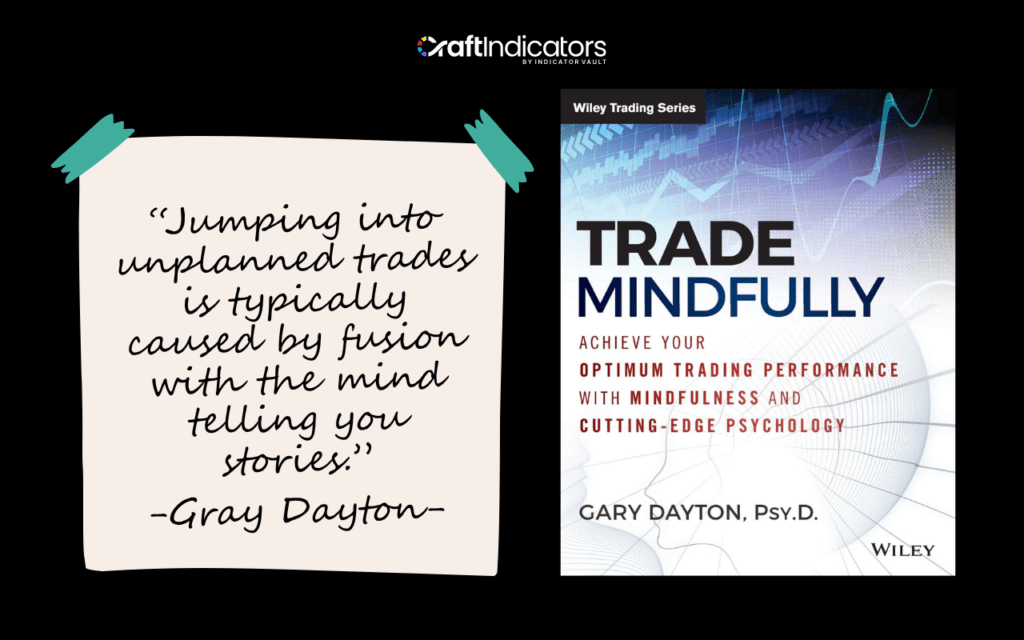
10. Trade Mindfully by Gary Dayton
Goodreads rating: 4.45/5 from 100+ ratings
Average price: 25–30 USD (paperback and Kindle editions available)
Gary Dayton’s Trade Mindfully introduces mindfulness as a tool for traders. He argues that awareness and presence help traders manage emotions and make clearer decisions.
The book is praised for blending psychology with mindfulness practices. Dayton provides exercises that encourage traders to observe thoughts without judgment, reducing impulsive reactions.
Some readers find the mindfulness approach unconventional compared to traditional trading psychology. Yet many highlight its effectiveness in calming the mind during volatile markets.
Actionable Takeaways
- Practice mindfulness meditation to improve focus.
- Observe emotional states without reacting immediately.
- Use breathing techniques to stay calm during trades.
How to Choose the Right Trading Psychology Book for You
Choosing the right trading psychology book depends on where you are in your journey. Beginners often benefit from classics like Trading in the Zone, which build a foundation of probability thinking and emotional discipline.
More experienced traders may prefer books such as Trading Psychology 2.0 or The Mental Game of Trading, which focus on performance optimization and advanced mindset strategies.
It also helps to consider your personal learning style. If you prefer structured lessons and daily exercises, The Daily Trading Coach offers bite‑sized guidance.
If you are drawn to science and deeper analysis, Market Mind Games or Trade Mindfully provide a more research‑driven approach.
Checking Goodreads ratings is a reliable way to gauge community feedback and see which titles resonate most with traders like you.
Ultimately, the best book is the one that speaks to your current challenges. If discipline is your struggle, lean toward Douglas’s works.
If building habits is your priority, Atomic Habits may be the right fit. And if resilience is what you need, Hougaard’s Best Loser Wins can help you embrace losses as part of growth.
Comparison Table: Top 10 Trading Psychology Books
| Book Title | Author | Goodreads Rating | Average Price | Key Focus | Key Takeaway |
| Trading in the Zone | Mark Douglas | 4.31/5 from 10,000+ ratings) | 15–20 USD | Probability mindset, emotional discipline | Think in probabilities, not certainties |
| Trading Psychology 2.0 | Brett Steenbarger | 4.18/5 (100+ ratings) | 25–30 USD | Performance psychology, building strengths | Treat psychology as a skill to develop |
| The Daily Trading Coach | Brett Steenbarger | 4.2/5 (400+ ratings) | 20–25 USD | 101 lessons, self‑coaching routines | Use daily reflection to build discipline |
| The Psychology of Trading | Brett Steenbarger | 4.19/5 (300+ ratings) | 20–25 USD | Emotional triggers, case studies | Identify and manage emotional reactions |
| Market Mind Games | Denise Shull | 3.67/5 (400+ ratings) | 18–22 USD | Neuroscience, emotions as data | Treat emotions as valuable trading signals |
| Best Loser Wins | Tom Hougaard | 4.47/5 (2,000+ ratings) | 20–25 USD | Resilience, embracing losses | Learn to lose well to win long‑term |
| The Disciplined Trader | Mark Douglas | 4.19/5 (2,000+ ratings) | 15–20 USD | Discipline, overcoming fear | Discipline is the foundation of success |
| The Mental Game of Trading | Jared Tendler | 4.25/5 (600+ ratings) | 20–25 USD | Mental leaks, structured exercises | Build resilience with structured mental training |
| Atomic Habits | James Clear | 4.31/5 (1,300,000+ ratings) | 15–20 USD | Habit building, systems over outcomes | Small habits compound into big results |
| Trade Mindfully | Gary Dayton | 4.45/5 (100+ ratings) | 25–30 USD | Mindfulness, emotional awareness | Use mindfulness to stay calm and focused |
Conclusion
Trading success depends less on predicting markets and more on mastering yourself. The books we’ve reviewed show that psychology includes discipline, resilience, and habits is the true edge.
Each title offers a different path, but all remind us that mistakes and losses are part of the journey. By treating psychology as a skill to train, traders build confidence and consistency. Mastering the mental game is what turns trading into a sustainable practice.
Don’t forget follow us to get more interesting news as well as great promotions:
Find this article useful? Share this blog with your friends on social media!
