
In 2026, trading success depends less on prediction and more on protection. With market volatility accelerating and automation dominating order flow, traders must master risk management techniques to safeguard capital and achieve long‑term trading success. This guide explores proven strategies, modern innovations, and practical applications to help traders build a resilient framework for trading consistency.
What Are Risk Management Techniques?
Risk management techniques are practical tools traders use to control risk exposure and maintain trading discipline. While strategies explain why risk is managed, techniques explain how. These include stop loss strategies, position sizing, volatility filters, and automated controls. Together, they form a repeatable framework that keeps decisions objective.
Why Traders Need Strong Risk Management Techniques in 2026
The trading landscape in 2026 is shaped by geopolitical instability, inflationary pressures, and rapid technological change. Sudden headlines can move prices within seconds, creating extreme market volatility.
Automation compresses reaction times, forcing traders to rely on ATM strategies and strict daily loss limits. Emotional discipline is equally critical, as revenge trading and oversizing remain common pitfalls.
For example, a futures trader in crude oil may face geopolitical shocks that drive prices higher, while a forex trader in Asia contends with policy uncertainty. Both succeed only by applying structured risk exposure control, volatility‑based stops, and automated NT8 tools.
Read More: Trading Psychology Tips That Turn Emotional Traders Into Consistent Ones
In short, 2026 demands stronger trading discipline than ever before. Traders who combine disciplined frameworks with automation can withstand global uncertainty, while those who neglect risk management risk being swept away by the volatility that defines this era.
The Four Core Risk Management Techniques
In every trading environment, risk management boils down to four fundamental approaches: avoidance, reduction, transference, and acceptance. These pillars form the backbone of any risk management framework and remain just as relevant in 2026 as they were decades ago, though the way traders apply them has evolved with technology and market speed.
Read More: Risk Management Strategies with NT8 Indicators
- Risk avoidance: Staying out of trades that don’t meet criteria.
- Risk reduction: Using stop loss strategies, volatility filters, and position sizing.
- Risk transference: Hedging with correlated assets.
- Risk acceptance: Taking calculated risks within limits.
Together, these four techniques provide a structured way to handle uncertainty. In volatile conditions shaped by global economics and politics, they ensure traders can adapt without abandoning discipline.
Modern Risk Management Techniques Used by Traders Today
Volatility‑Based Techniques
Volatility‑based techniques remain central. The ATR indicator helps traders size positions and set stops relative to volatility. For instance, widening stops during OPEC announcements prevents premature exits.
Data‑Driven Risk Modeling
Data‑driven risk modeling has become indispensable. Traders use backtesting, scenario analysis, and Monte Carlo simulations to anticipate how strategies perform under stress. These models transform uncertainty into measurable probabilities, strengthening the trading risk framework.
Automated Risk Controls
Automated risk controls enforce discipline when emotions fail. Platforms like NT8 allow traders to set auto‑flatten rules, daily loss limits, and automated stops.
Practical Risk Management Techniques for Traders
Beyond advanced modeling, traders need actionable methods they can apply immediately.
Position Sizing Techniques
Position sizing techniques such as fixed fractional sizing or ATR‑based sizing ensure exposure remains proportional to account size, supporting capital preservation.
Stop-Loss Techniques
Stop‑Loss techniques include technical stops placed beyond support and resistance, volatility stops adjusted to ATR, and structure‑based stops using supply/demand zones. These prevent emotional decisions and align exits with market logic.
Risk‑to‑Reward Techniques
Risk‑to‑Reward techniques focus on maintaining favorable ratios. Traders often target a minimum 2:1 risk‑reward ratio, scaling out partial profits to lock gains while leaving room for extended moves.
Trade Filtering Techniques
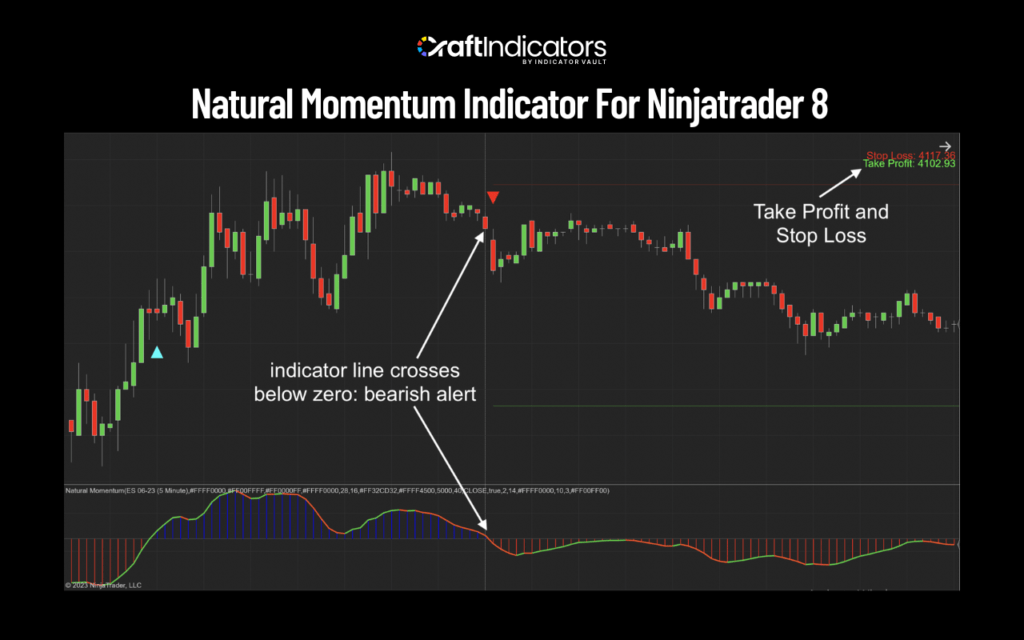
Trade filtering techniques help avoid low‑quality setups. Using volatility filters, trend confirmation, or tools like Craft Indicators’ Natural Momentum, traders eliminate trades that don’t meet strict criteria, improving overall expectancy.
Risk Management Techniques for Day Traders
Day trading in 2026 requires sharper discipline as intraday markets are shaped by intraday volatility, algorithmic liquidity, and strict prop firm rules. Unlike swing traders, day traders must manage risk in real time, often making dozens of rapid decisions within a single session.
Success depends on structured day trading risk controls supported by automation: ATR thresholds and volatility bands filter unstable conditions, trailing stops secure profits during fast moves, and firm‑enforced daily loss limits act as circuit breakers to preserve capital.
Read More: Trading Discipline: The Foundation of Consistent Trading Success
Intraday Volatility Controls
Intraday volatility controls are automated mechanisms designed to prevent extreme price swings within a single trading day. They work by triggering temporary halts, pausing matching engines, or reallocating exposure to cash when volatility exceeds predefined thresholds, helping traders avoid catastrophic losses during sudden spikes.
Fast Stop‑Loss Techniques
Fast stop‑loss methods protect capital by exiting positions quickly when risk levels rise. Common approaches include percentage‑based exits for consistent exposure, ATR‑based stops that adapt to market noise, and structure‑based invalidation stops placed just beyond recent swing highs or lows.
Daily Risk Limits
Daily risk limits serve as financial circuit breakers, halting trading once intraday losses reach a set threshold. These limits prevent emotional “revenge trading,” preserve account equity, and ensure traders live to trade another session with discipline intact.
How NT8 Tools Enhance Risk Management Techniques
NinjaTrader 8 integrates risk management directly into execution.
- The ATR indicator supports volatility‑based sizing and stop placement.
- ATM strategies automate stop‑loss, take‑profit, and break‑even rules, ensuring consistency.
- RiskRewardPlus visualizes risk‑to‑reward ratios, helping traders maintain discipline.
- Support and resistance indicators guide stop placement beyond key levels, reducing premature exits.
Together, these NT8 tools transform risk management from manual effort into automated precision.
Common Mistakes Traders Make When Applying Risk Management Techniques
Even with advanced platforms and indicators available, traders often repeat errors that undermine their performance.
- Oversizing positions without proper position sizing.
- Moving stops impulsively instead of following risk management best practices.
- Ignoring risk management checklists.
- Neglecting daily loss limits.
By recognizing these pitfalls and committing to structured rules, traders can refine their risk management best practices.
Automation tools, volatility filters, and strict daily limits help enforce discipline, while emotional control ensures that strategies are executed consistently. Avoiding these mistakes is not just about protecting capital; it is about creating the foundation for long‑term trading success.
How to Build a Personal Risk Management Technique Framework
A personal framework ensures that risk management is systematic rather than reactive. Traders should begin by:
- Define maximum risk exposure control per trade.
- Apply consistent stop loss strategies.
- Use position sizing aligned with account size.
- Track trades with a risk management checklist.
- Integrate Ninjatrader 8 indicators to refine stop‑loss and take‑profit execution.
To make the plan actionable, traders should document their rules in a written risk management checklist. This checklist transforms trading from guesswork into a disciplined process, guiding decisions under pressure and reducing emotional interference. By combining predefined limits, automated execution, and consistent review, traders create a framework that protects capital and supports long‑term success.
Final Thoughts
Mastering risk management techniques is the foundation of trading consistency. By applying structured methods such as position sizing, stop loss strategies, and risk reward ratio, traders achieve long‑term trading success. In 2026, disciplined risk control is not optional, it is the key to thriving in volatile markets.
Also, follow us for all the promotions and other useful topics:
- Facebook: www.facebook.com/craftindicators
- Instagram: www.instagram.com/craftindicators
