
Trading is not just about finding the right entry or exit points. Success depends on how well you manage risk. Strong risk management in trading combines numbers with mindset, helping traders protect their accounts and stay consistent.
At the core are three pillars: trading psychology, trading discipline, and position sizing. Together, they guide decisions, control emotions, and limit losses. This balance of mental strength and practical tools is what separates short‑term luck from long‑term sustainability.
In this article, we will explore why risk management matters, the types of risks traders face, and the techniques and tools that make trading safer. By the end, you’ll see how psychology, discipline, and smart sizing work hand in hand to build a strong foundation for consistent results.
Why Risk Management Matters in Trading
Risk management in trading is the foundation of long‑term success. Traders who focus on capital preservation protect their accounts from large losses and keep themselves in the game. Without strong risk exposure control, even profitable strategies can fail when emotions take over.
Strong trading discipline and clear rules help traders avoid impulsive decisions. By combining technical skills with trading psychology, risk management becomes more than numbers, it becomes a mindset that supports sustainability.
Types of Risks Traders Face
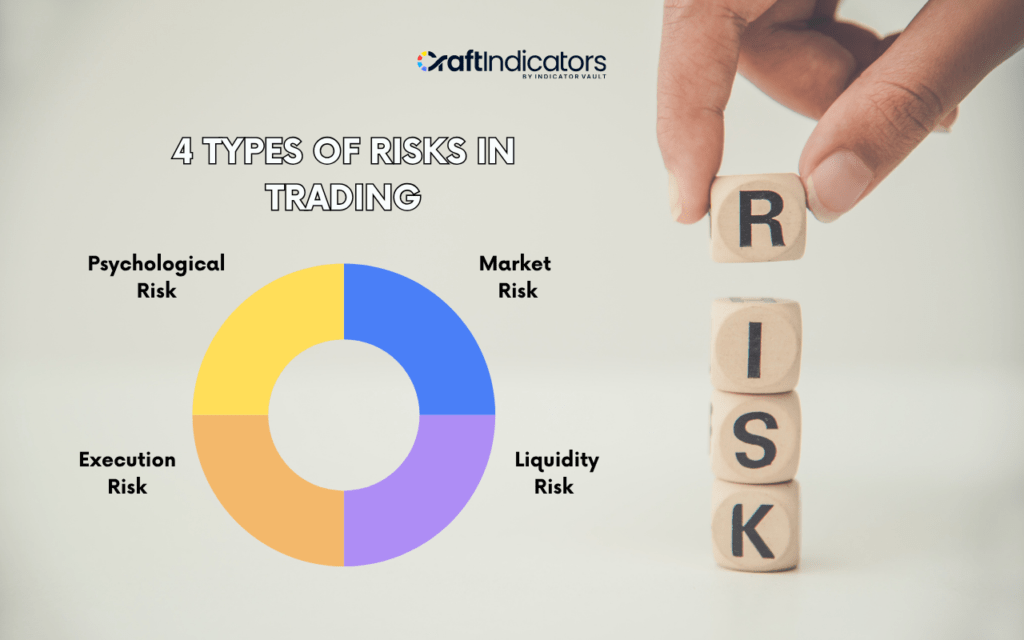
Every trader encounters different risks. Market risk comes from price movements that go against your position. Liquidity risk happens when assets cannot be bought or sold quickly without affecting price.
Execution errors, known as execution risk, can occur due to slippage or poor order handling. Finally, psychological risk arises when emotions like fear or greed override logic. Recognizing these categories is the first step toward effective risk control.
4 types of risks in trading:
Core Risk Management Techniques for Traders
Traders use four main risk management techniques. Risk avoidance means staying out of trades that do not meet your criteria. Risk reduction involves lowering position size or tightening stop‑losses.
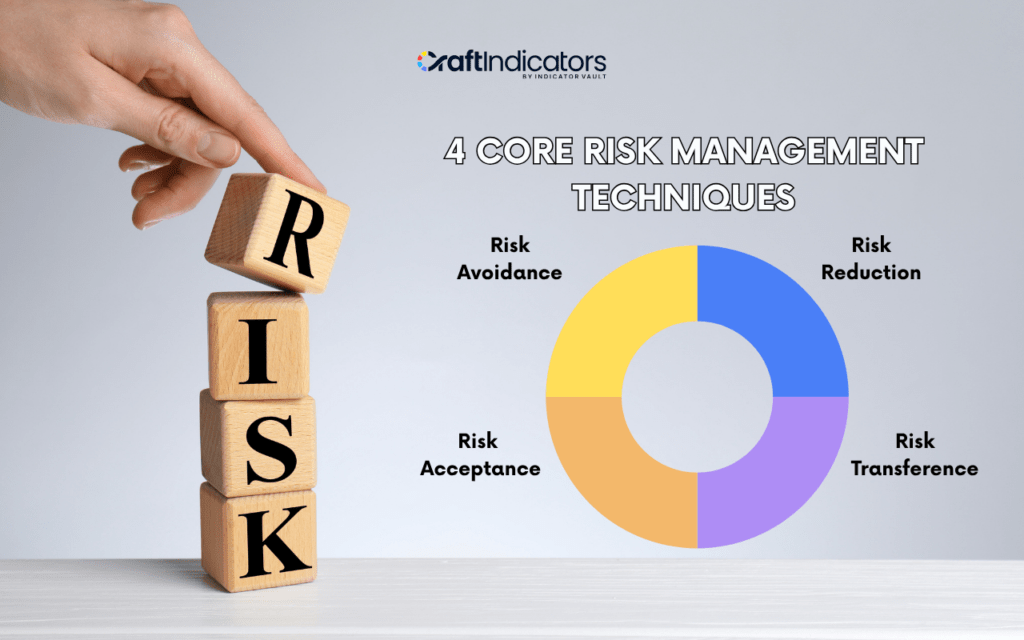
Risk transference can be done through hedging or insurance‑like tools. Finally, risk acceptance acknowledges that some losses are part of trading. Together, these methods form a balanced approach to risk mitigation.
Read More: Risk Management Techniques: A Complete Guide for Traders
Practical Risk Management Tools in Trading
Daily trading requires practical tools. Stop loss strategies automatically exit losing trades before damage grows. Proper position sizing ensures no single trade risks too much capital.
Using a risk reward ratio helps traders measure if potential gains justify the risk. Diversification techniques spread exposure across assets, reducing the impact of one bad trade. Case study: A forex trader risking 2% per trade with stop‑losses and balanced position sizing avoided a 20% drawdown during high volatility, proving how these tools protect accounts.
Read More: Day Trading Risk Management: Proven Strategies to Protect Capital
How NT8 Enhances Risk Management in Trading
NinjaTrader 8 offers built‑in features that strengthen risk management in trading. NT8 indicators highlight volatility signals and support and resistance indicators to guide entries and exits.
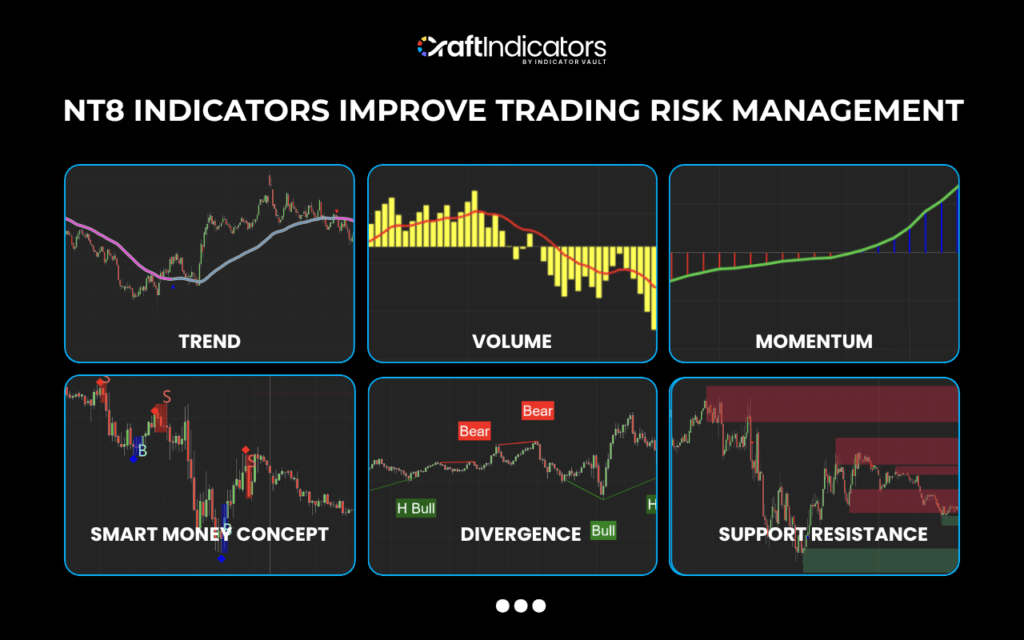
With ATM strategies, traders can automate stop‑losses, profit targets, and trailing stops. Craft Indicators tools integrate seamlessly, helping traders identify risk levels faster and apply consistent risk control measures.
Read More: NinjaTrader Custom Indicators: What They Are and How Traders Use Them
Day Trading vs Swing Trading Risk Management
Day trading risk management requires strict rules because of intraday volatility. Quick decisions and tight stop‑losses are essential. In contrast, swing trading risk focuses on holding positions across trading timeframes, where wider stops and patience are needed.
Both styles demand discipline, but day traders must react faster while swing traders must endure longer market swings. Understanding these differences helps traders apply the right risk control measures for their style.
Day Trading vs Swing Trading in Risk Management
| Day Trading Intraday focus | Swing Trading Multi-day focus | |
| Risk Profile | ||
| Volatility | High intraday volatility | Moderate multi-day swings |
| Timeframes | Minutes to hours | Days to weeks |
| Position Size | Smaller, frequent trades | Larger, fewer trades |
| Stop Loss | Tight stop loss strategies | Wider stop loss levels |
| Risk Reward | Lower ratio, faster exists | Higher ratio, longer holds |
| Discipline | ||
| Decision Speed | Immediate, fast reactions | Slower, planned entries |
| Psychology | High stress, constant focus | Patience, tolerance for swings |
| Tools | ||
| Indicators | Intraday volatility signals | Support and resistance indicators |
| Risk Control | Strict intraday rules | Flexible timeframe rules |
Read More: Swing Trading vs Day Trading: Before You Start Trading, Read This Comparison First
Final Thoughts
Effective risk management in trading is the key to long‑term trading success. By combining psychology, discipline, and tools like position sizing and stop‑losses, traders build trading consistency.
The best path forward is mastering risk management best practices and applying them daily. When traders respect risk, they protect capital, control emotions, and set themselves up for sustainable success.
Also, follow us for all the promotions and other useful topics:
- Facebook: www.facebook.com/craftindicators
- Instagram: www.instagram.com/craftindicators
