
Trading psychology is the mental and emotional side of trading. It shapes how traders react to markets, whether they follow their plan or let emotions take over. Fear, greed, and bias often push traders into poor decisions, even when they have strong strategies. Discipline and self‑control, on the other hand, create consistency and long‑term success.
Mastering trading psychology means understanding how emotions influence decisions, how cognitive biases distort judgment, and how market volatility amplifies stress. Traders who study these forces can build resilience, stick to their plans, and avoid costly mistakes. This mental edge is often more powerful than technical skill alone, making the difference between short‑term survival and long‑term success.
What Is Trading Psychology?
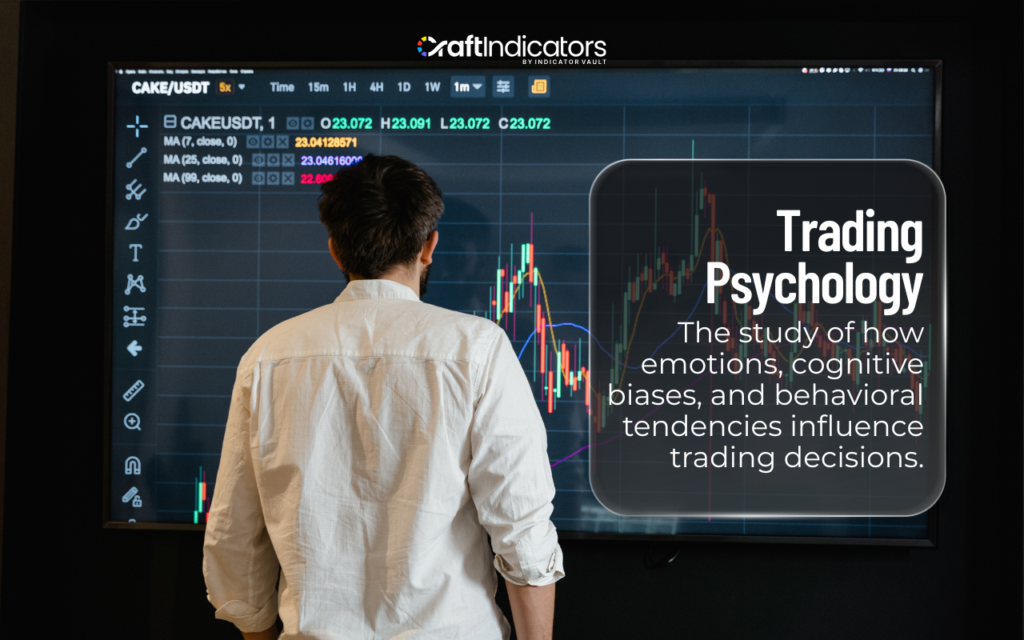
Trading psychology is the study of how emotions, cognitive biases, and behavioral tendencies influence trading decisions. Together, these key elements explain why traders sometimes act rationally and at other times let impulses take control. Understanding this mix is essential for building consistency in the markets.
At its core, trading psychology highlights the tension between rational decision‑making and emotional impulses. A trader may design a well‑structured plan, but when volatility rises or losses occur, emotions often take control. This is why psychology is considered just as important as technical skill. Without emotional discipline, even the best setups can fail.
By combining psychological awareness with NT8 indicators, traders can anchor their decisions in data rather than emotion. This creates a foundation for consistent performance and sets the stage for deeper topics such as discipline and day trading psychology, which explore how mindset shapes specific trading styles.
Why Trading Psychology is Your Most Important Edge
Technical skills and market knowledge are essential, but they are not the full story. Many traders can read charts or apply strategies, yet still struggle because emotions and biases take control. Trading psychology is the hidden edge that separates consistent performers from those who falter.
This edge becomes most visible during periods of market volatility. Inexperienced traders often panic or chase trades when prices swing sharply, while disciplined traders remain calm and follow their plan.
By controlling emotions and recognizing biases, they avoid costly mistakes and protect their capital. In this way, psychology is not just a soft skill but it also is a measurable factor that directly impacts profitability.
Read More: Why Trading Is 80% Psychological
How Emotions Work While You Trade
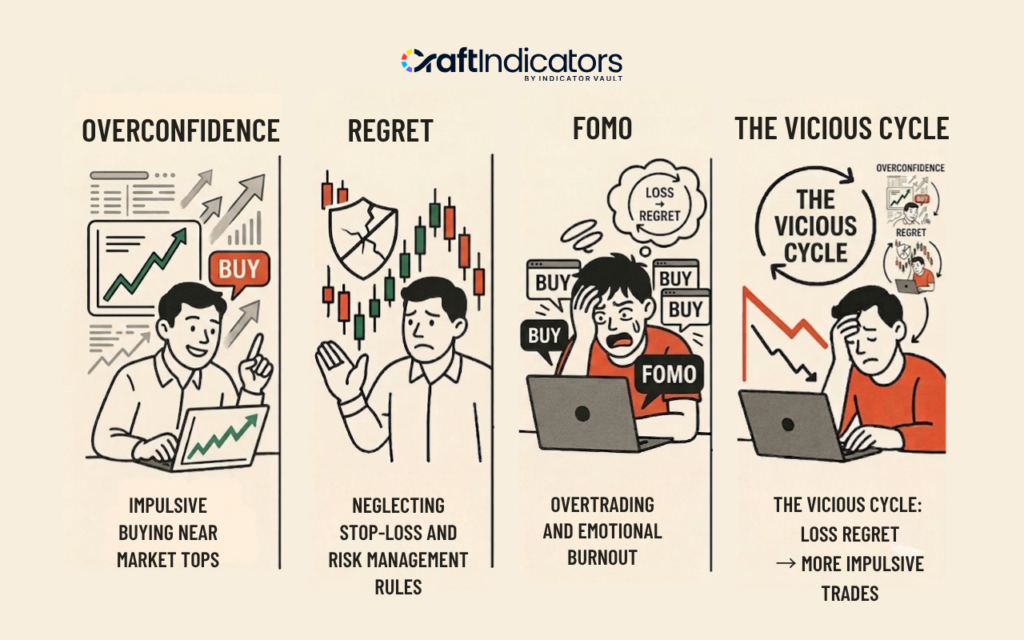
Emotions are the most visible part of trading psychology. Negative emotions such as fear, greed, regret, overconfidence and FOMO often push traders into irrational choices like exiting too early, chasing trades, or ignoring risk.
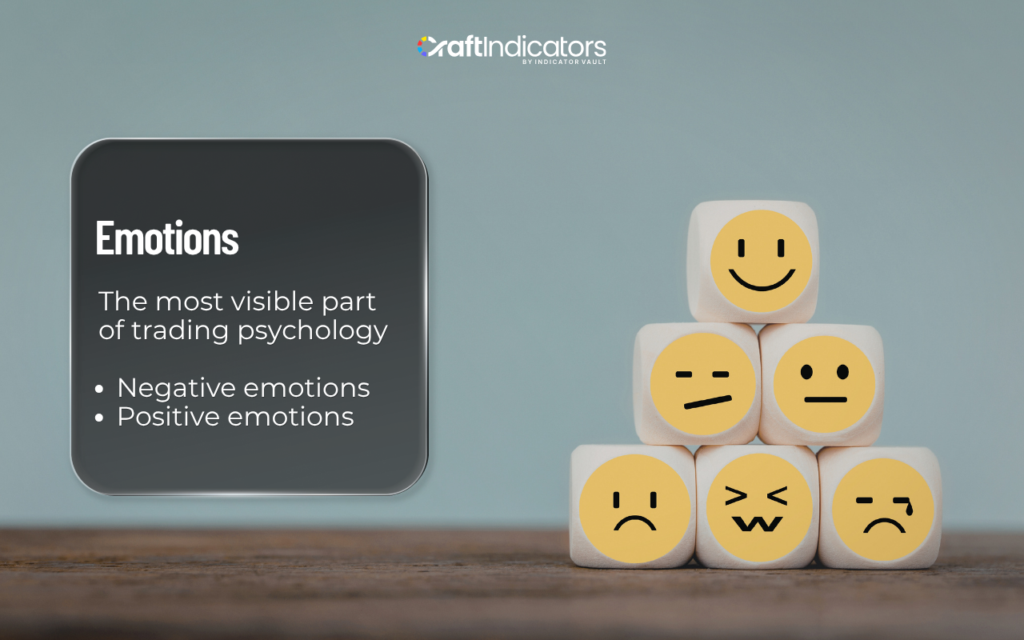
Positive emotions like patience, and discipline can strengthen decision‑making, helping traders stick to their plan and manage volatility calmly. Recognizing both sides allows traders to harness the helpful emotions while controlling the harmful ones.
Why Fear and Greed Dominate Trading Decisions
Fear and greed are the two emotions most often linked to trading mistakes. Fear can cause traders to exit positions too early or hesitate on valid setups.
Greed pushes traders to overtrade, take oversized positions, or chase unrealistic profits. Both distort rational judgment and make it difficult to follow a structured plan.
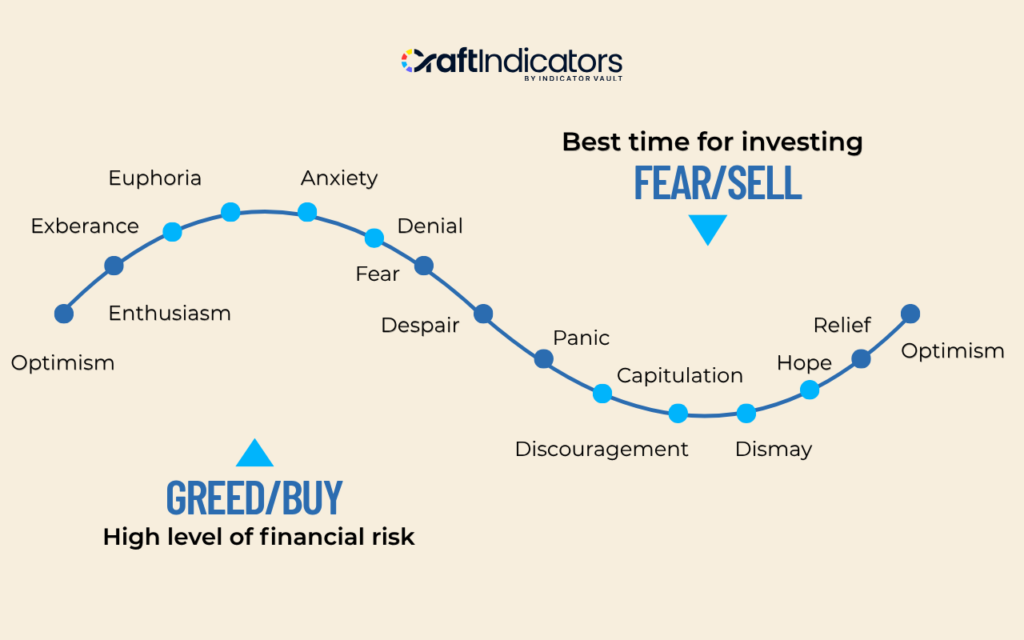
These emotions become especially powerful during volatile markets. When prices swing sharply, fear drives panic selling, while greed tempts traders to jump in without proper analysis.
Managing fear and greed requires discipline, risk management, and patience, all the habits that protect traders from impulsive choices.
Over confidence, Regret and FOMO in Trading
Overconfidence often follows a streak of wins, creating a false sense of security. Traders may ignore risk rules or take oversized positions, only to face sharp losses when markets shift.
Regret arises when traders dwell on missed opportunities or losing trades. It can lead to revenge trading or hesitation, both of which weaken performance.
Fear of missing out (FOMO) is especially common in fast‑moving markets. The urge to jump in without proper analysis often results in buying at the top or selling at the bottom. Patience and discipline are the antidotes, reminding traders that opportunities are constant in the markets.
What is Behavioral Finance?
Behavioral finance is a branch of behavioral economics that studies how psychological influences and biases shape financial decisions. It explains why traders often make choices that deviate from rational models and how these decisions affect markets.
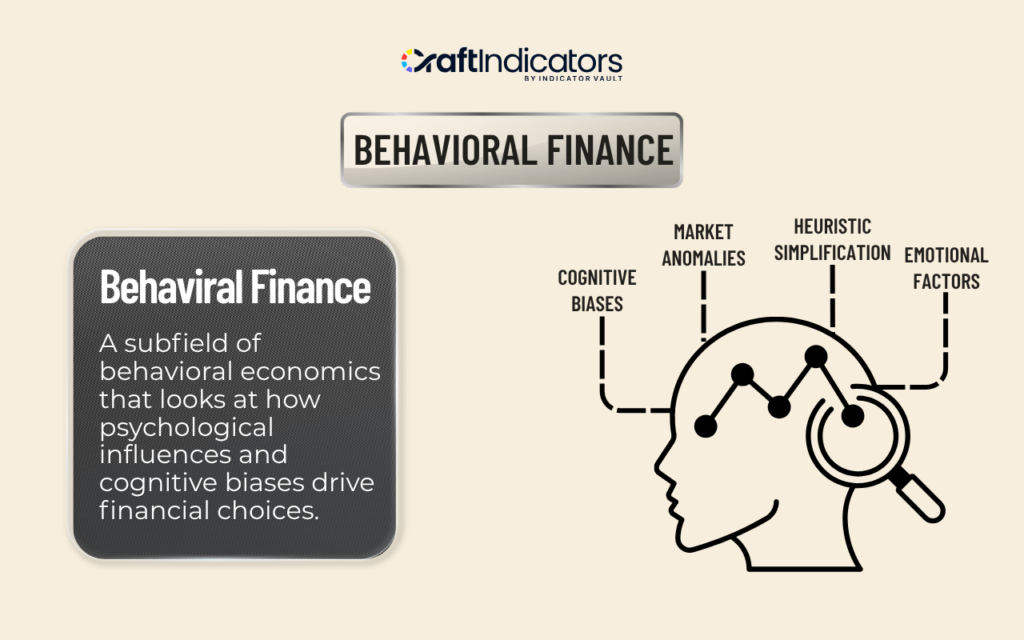
In practice, traders are prone to biases and heuristics that cloud judgment. Habits such as overtrading or ignoring stop‑losses reinforce poor outcomes, while biases like confirmation bias, anchoring, or loss aversion distort decision‑making.
Markets are therefore shaped not only by fundamentals but also by human behavior. Fear and greed can trigger sudden sell‑offs or rallies, while biases influence how individuals manage risk. These collective actions create price patterns that numbers alone cannot fully explain. Studying behavioral finance helps traders prepare for volatility, avoid traps, and strengthen discipline.
Cognitive Biases That Impact Traders
Cognitive biases are mental shortcuts that influence how traders interpret information and make decisions. While they simplify choices, they often distort judgment in ways that harm performance.
- Confirmation bias: seeking information that supports existing views while ignoring evidence to the contrary.
- Anchoring: fixating on a specific price level or past performance even when conditions change.
- Loss aversion: feeling losses more strongly than gains, leading to poor risk management.
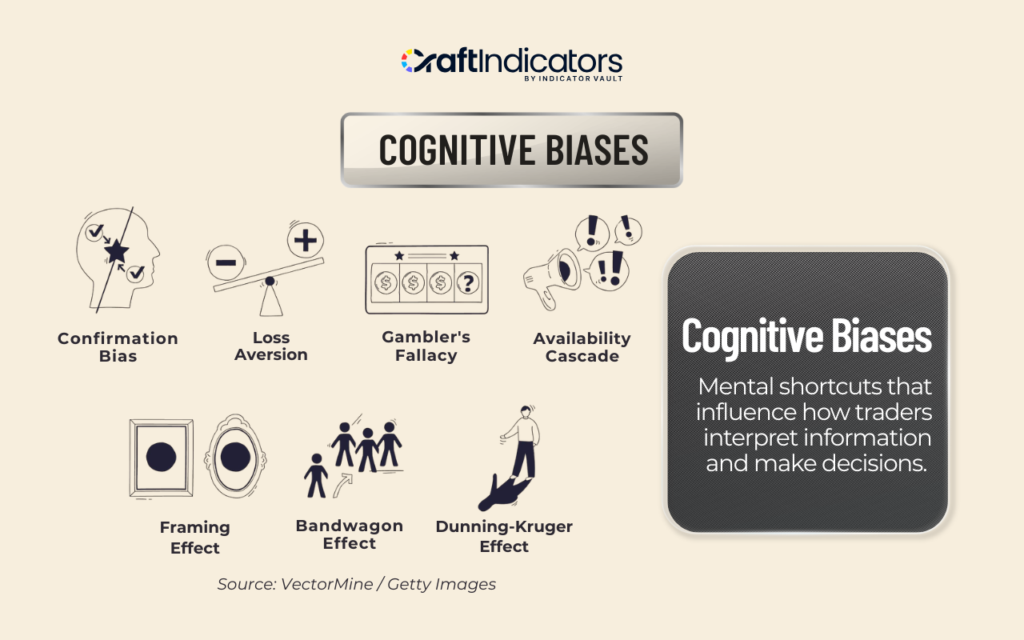
Understanding these biases allows traders to build strategies that counter them, such as journaling trades, setting predefined rules, and reviewing performance regularly.
The Role of Discipline in Trading Success
Discipline is the foundation of consistent trading. It means following a plan even when emotions or biases tempt you to act differently. Without discipline, traders often abandon strategies during stressful moments, leading to inconsistent results.
In practice, discipline shows up in risk management, position sizing, and sticking to entry and exit rules. Traders who maintain discipline avoid common pitfalls such as revenge trading or chasing setups. Over time, this consistency builds confidence and separates long‑term success from short‑term luck.
Read More: Trading Discipline: The Foundation of Consistent Trading Success
Practical Steps to Improve Trading Psychology
Improving trading psychology requires consistent practice. Journaling trades, setting clear rules for risk management, and building routines that reinforce discipline all help traders stay balanced.
Traders can start by keeping a journal of their trades, noting not only the technical reasons for entry and exit but also the emotions they felt during the process. This helps identify patterns of behavior that may be holding them back.
Setting clear rules for risk management, such as maximum position size or stop‑loss levels, also reduces the chance of emotional decisions.
Another effective step is building routines that reinforce discipline. Reviewing trades at the end of each week, practicing patience by waiting for setups that meet strict criteria, and limiting screen time during volatile periods all help traders stay balanced.
Over time, these habits strengthen resilience and reduce the influence of fear, greed, and bias.
Read More: Trading Psychology Tips That Turn Emotional Traders Into Consistent Ones
Psychology in Futures
Futures markets are highly leveraged and often volatile, which magnifies emotional pressure. Traders may feel fear when facing large swings or greed when chasing quick profits. Success in futures trading depends on strict risk management and emotional control.
Psychology in forex trading
Forex trading is fast‑paced and global, with constant price movement. This environment often triggers FOMO and overconfidence, especially when traders see sharp moves in currency pairs. Maintaining discipline and patience is essential.
Traders who focus on long‑term consistency rather than short‑term wins are better equipped to handle the emotional challenges of forex markets.
Psychology in stock trading
Stock traders often struggle with regret and anchoring. Regret arises when they miss opportunities or hold onto losing positions too long, while anchoring ties them to past price levels.
Emotional discipline ensures they avoid chasing trends or clinging to poor trades. Building structured habits, such as reviewing fundamentals alongside technicals, helps balance decisions.
Good Books About Trading Psychology
Books remain one of the best resources for mastering trading psychology. Titles like Trading in the Zone by Mark Douglas and The Psychology of Trading by Brett Steenbarger provide timeless lessons on discipline, fear, and mindset.
These works explain how emotions and biases shape decisions and offer practical strategies to overcome them. Pairing these insights with structured routines creates a complete approach to building mental strength in trading.
Read More: 10 Must-Read Trading Psychology Books For Self-Improvements
Key takeaways
Trading psychology is the mental edge that shapes every decision in the market. Emotions, biases, and behaviors influence how traders act, often pushing them away from rational choices. Discipline and patience create consistency and long‑term success.
Behavioral finance shows that markets are not driven by numbers alone but also by human behavior. Understanding how emotions and biases affect decision‑making helps traders prepare for volatility and avoid traps.
The path to success lies in combining awareness of trading psychology with structured routines and strategies. Journaling trades, setting clear rules, and learning from resources all contribute to mental strength. Ultimately, mastering psychology is not just about surviving the markets but it is about thriving with confidence and consistency.
At Craft Indicators, we design NT8 indicators that help traders reduce emotional decision‑making and enforce discipline. Tools like our Order Block Gen and Natural Momentum Indicators filter noise, highlight institutional levels, and guide rational choices even in volatile markets. By combining psychological awareness with practical trading tools, traders gain the clarity and confidence needed to trade with consistency.
Don’t forget follow us to get more interesting news as well as great promotions:
Find this article useful? Share this blog with your friends on social media!
