
The market opens and the screen lights up. Your pulse quickens, every tick feels heavy. You know the setups and strategies, yet fear and greed creep in, tempting you to abandon the plan. This is day trading psychology, the battle between discipline and emotion.
Every trader has faced loss aversion, holding losers too long, or overconfidence bias after a winning streak. Some fall into revenge trading, chasing losses, while others freeze in hesitation. The difference between failure and success lies in mastering your mindset and resilience, enforcing risk management, and building discipline and consistency through routines and habits.
Understanding Day Trading Psychology
Day trading is often described as 80% psychology and 20% strategy. While technical analysis and market knowledge matter, the real challenge is managing yourself in the heat of the market. The fast pace triggers fight-or-flight responses, making it easy to fall into emotional traps.
Inherently, day trading psychology is about maintaining emotional control and building discipline and consistency. Traders must learn to recognize how fear and greed influence decisions, how cognitive biases distort judgment, and how destructive habits like revenge trading emerge under stress. Without this awareness, even the strongest strategies collapse.
Successful traders treat psychology as a skill to be trained. By reinforcing structured routines, applying strict risk management, and cultivating mindset and resilience, they transform emotional volatility into a competitive edge.
Read More: Trading Psychology: Mastering the Mental Edge in Markets
The Psychology Behind Discipline in Trading
Even the most experienced traders struggle with the mental side of day trading. The speed of day trading magnifies psychological traps, turning small mistakes into costly setbacks. Recognizing these pitfalls is the first step toward mastery.
Fear and Greed: Emotional Extremes
Fear and greed are the twin forces that dominate trading behavior. Fear often pushes traders to exit positions too early, locking in small gains while missing larger opportunities. Greed, on the other hand, tempts traders to chase profits recklessly, ignoring the rules of risk management.
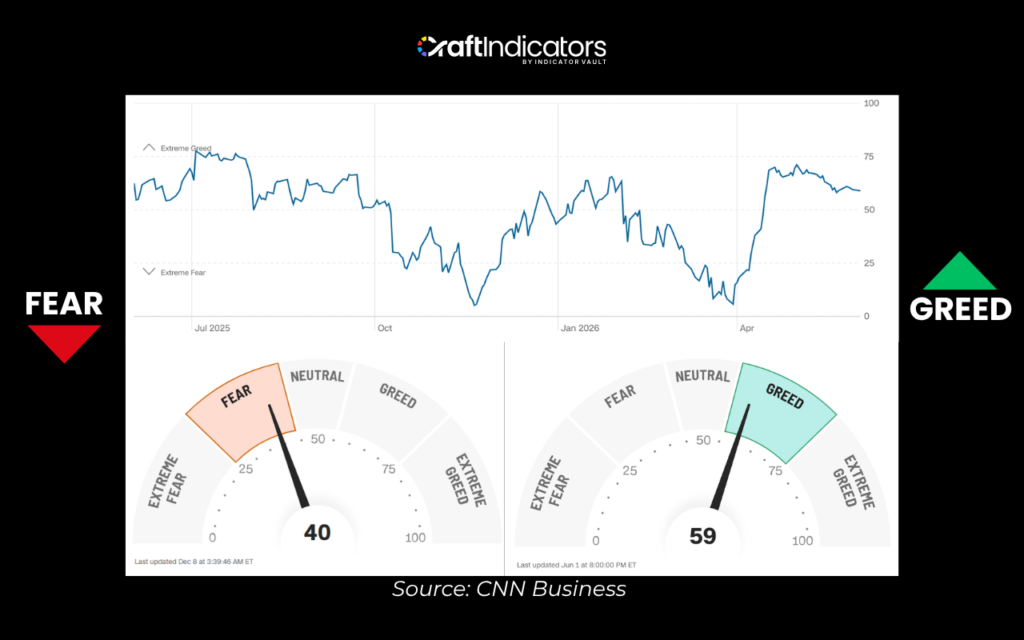
Both emotions override rational analysis and lead to impulsive decisions. The key is not to eliminate fear or greed but to recognize their influence and counter them with structured routines and emotional control.
Overconfidence and Loss Aversion
After a winning streak, traders frequently fall into overconfidence bias, believing their judgment is flawless. This mindset encourages oversized positions and unnecessary risks.
Conversely, loss aversion keeps traders stuck in losing trades, unwilling to accept small losses and hoping for a reversal that rarely comes.
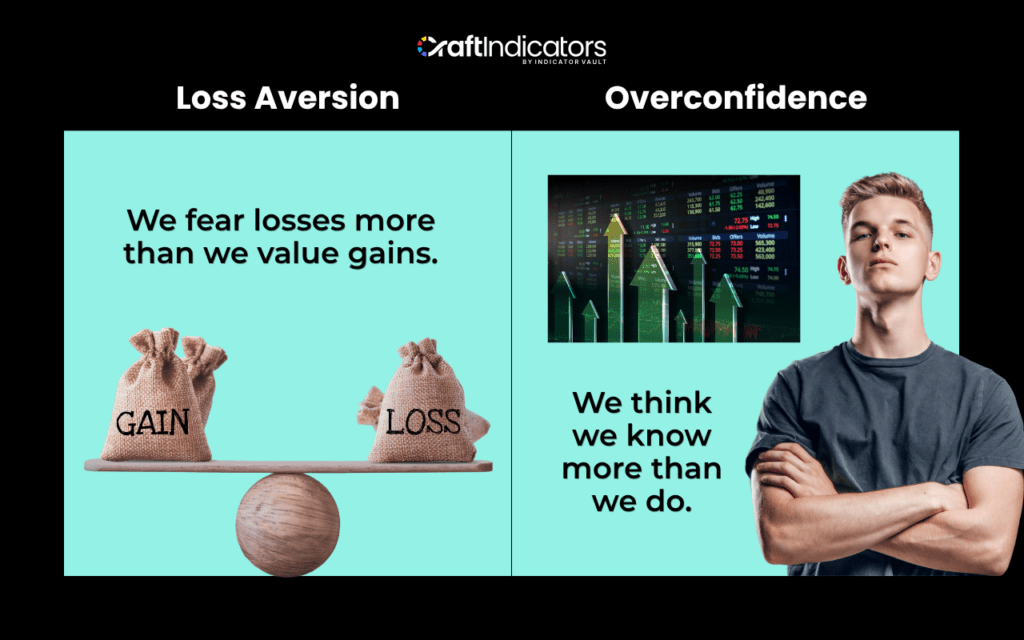
Both biases distort judgment and erode discipline. Successful traders learn to treat wins and losses with equal detachment, relying on consistency rather than emotional highs or lows.
Routine and Consistency
Without a structured routine, emotions can quickly take control of trading decisions. A consistent process that includes premarket preparation, journaling trades, and reviewing performance builds discipline and reduces impulsive behavior.
Read More: Trading Discipline: The Foundation of Consistent Trading Success
Revenge Trading and Tilt
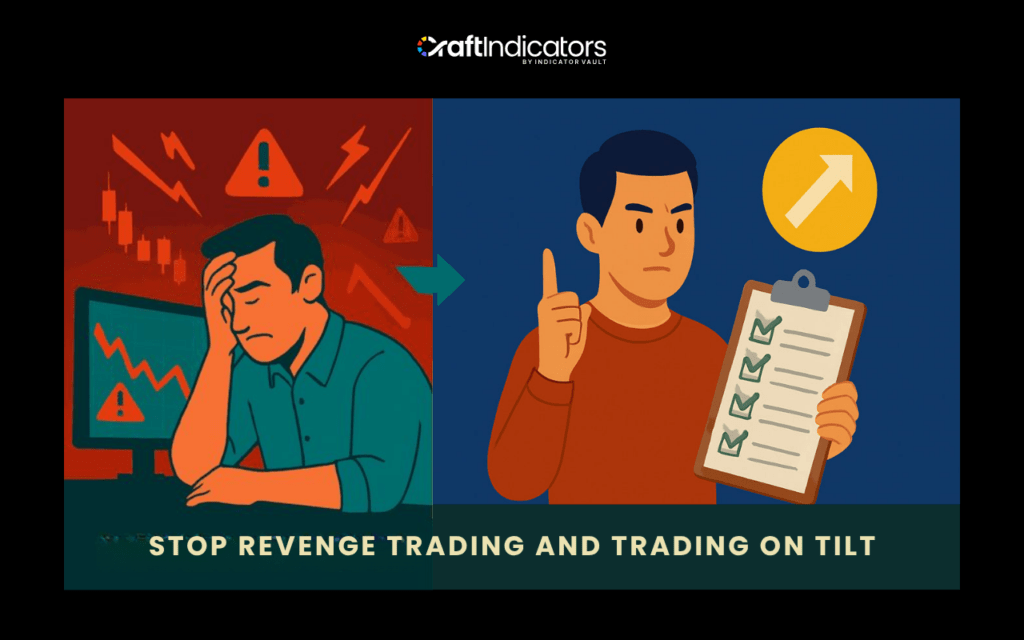
Few traps are as destructive as revenge trading. After a painful loss, frustration can push traders into taking reckless positions in an attempt to recover quickly. This emotional spiral, often called tilt, magnifies mistakes and accelerates drawdowns.
Cognitive Biases in Trading
Beyond emotions, traders are vulnerable to cognitive biases that distort rational thinking. Confirmation bias leads them to seek information that validates a losing position, while ignoring evidence to the contrary.
The gambler’s fallacy convinces them that a reversal is “due,” even when probabilities say otherwise. Anchoring bias keeps traders fixated on a specific price level, blinding them to changing market conditions.
These mental shortcuts feel logical in the moment but often result in poor decisions.
Day Trading Psychology vs. Proven Profit Strategies
Every trader moves through three psychological phases that determine whether a strategy succeeds or fails: awareness of emotions, acceptance and reset, and disciplined execution.
First comes awareness, the ability to recognize emotions like fear and greed before they take control. Next is acceptance, where traders acknowledge mistakes, reset their mindset, and avoid spiraling into revenge trading. Finally, discipline and execution take center stage, as traders apply structured routines, enforce risk management, and follow proven strategies with consistency.
When combined, these phases create a framework where psychology supports profit strategies rather than undermining them.
A trader who understands their cognitive biases, maintains emotional control, and builds mindset and resilience can unlock the full potential of technical setups. Without this foundation, even the most advanced indicators fail to deliver consistent results.
| Psychological Discipline | Proven Indicators |
| Emotional control prevents fear and greed from overriding decisions | Indicators provide objective signals for entries and exits |
| Discipline and consistency ensure rules are followed | Tools like moving averages, RSI, and MACD confirm market trends |
| Risk management protects capital during volatility | Indicators highlight momentum shifts and potential reversals |
| Awareness of cognitive biases reduces irrational trades | Indicators add structure and confidence to technical setups |
By merging these psychological phases with technical tools, traders create a balanced approach. Psychology ensures discipline, while proven indicators provide clarity and structure. Together, they form the mental and technical edge needed for consistent profits.
Mastering the Mental Game
Day trading is not just about reading charts or spotting setups. It is about managing yourself in the heat of the market. The mental game determines whether you stick to your plan or let emotions take control. By applying structured techniques, traders can strengthen their discipline, build resilience, and avoid costly mistakes.
Mental Game Checklist:
- Define rules before trading begins
- Pause emotions with the 90-second rule
- Set risk limits to protect capital
- Build resilience by recognizing stress signals
- Strengthen mindset for long-term survival
Read More: Trading Psychology Tips That Turn Emotional Traders Into Consistent Ones
Rule-Based Systems
A rule-based system acts as a safeguard against emotional decisions. By defining entry and exit points, stop-losses, and risk-reward ratios in advance, traders reduce the chance of fear or greed overriding their judgment.
These systems create consistency and allow traders to focus on execution rather than second-guessing. When emotions rise, the rules provide clarity and structure.
Emotional Resilience
Markets are unpredictable, and losses are inevitable. Emotional resilience is the ability to recover quickly without falling into frustration or revenge trading.
The 90-Second Rule
Emotions peak chemically for about ninety seconds. By pausing during this window, traders can prevent impulsive reactions.
The 90-second rule is a simple yet powerful technique: when fear or greed strikes, wait, breathe, and let the emotional surge pass before making a decision. This practice reinforces emotional control and keeps trading aligned with strategy rather than impulse.
Risk Limits
Strict risk limits protect traders from catastrophic losses. Setting a maximum daily loss or percentage of capital at risk ensures that emotions do not push positions beyond safe boundaries.
Risk limits act as a psychological anchor, reminding traders that survival matters more than any single trade. By respecting these limits, traders preserve both their account and their mental stability.
Mindset and Resilience: Long-Term Survival
Day trading is a marathon, not a sprint. A strong mindset combines patience, adaptability, and resilience. Traders who cultivate these qualities can withstand losing streaks, adapt to changing market conditions, and maintain confidence through volatility.
Building Habits and Journaling
Consistency in day trading does not come from luck or intuition. It comes from habits that reinforce discipline and a journaling practice that reveals the hidden patterns behind decisions.
Habits shape behavior long before conscious thought takes over. A trader who begins each day with premarket preparation, reviews risk limits, and follows a checklist is far less likely to fall into impulsive decisions driven by fear or greed.
A trading journal is more than a record of wins and losses. It is a mirror that reflects emotional states, cognitive biases, and decision-making patterns.
By documenting not only the technical details of each trade but also the emotions felt during execution, traders uncover recurring themes such as overconfidence after a winning streak or hesitation during volatility.
Example Journal Entry
- Trade Setup: Long position on EUR/USD at 1.0850
- Reason for Entry: Breakout above resistance with confirmation from RSI
- Risk Management: Stop-loss at 1.0820, target at 1.0900
- Emotional State: Nervous at entry, tempted to move stop-loss closer
- Outcome: Exited early due to fear, missed full profit potential
- Lesson: Fear led to premature exit. Next time, trust the plan and avoid adjusting stops emotionally.
This type of entry captures both the technical and psychological dimensions of trading, creating a record that can be reviewed to identify patterns and improve discipline.
FAQs on Day Trading Psychology
1. What is the biggest psychological challenge in day trading?
The greatest challenge is maintaining discipline when emotions run high. Markets move quickly, and the temptation to abandon a plan in pursuit of quick gains or to avoid losses is constant. Traders who fail to control impulses often struggle with consistency, making discipline the single most critical psychological hurdle.
2. What are the most common psychological traps traders face?
Day traders frequently fall into traps such as fear, greed, overconfidence, loss aversion, and revenge trading. These behaviors lead to irrational decisions like holding losers too long, chasing profits, or trading impulsively after setbacks. Recognizing these traps early is the first step toward avoiding them.
3. How does fear impact a day trader?
Fear often causes hesitation or premature exits. Traders may avoid taking trades that fit their strategy, missing opportunities, or panic sell during volatility. This undermines confidence and prevents strategies from working as intended. Managing fear requires preparation, risk limits, and trust in a rule-based system.
4. How can I stop emotional trading?
Stopping emotional trading begins with structure. Define clear entry and exit rules, set strict risk limits, and use tools like the 90-second pause to prevent impulsive reactions. Journaling emotions during trades also helps identify recurring triggers, making them easier to control over time.
5. Are there daily routines to improve trading mindset?
Yes. Effective routines include premarket preparation, reviewing risk limits, journaling trades, and practicing mindfulness before sessions. These habits build consistency, reduce stress, and strengthen resilience. Over time, routines become automatic, allowing traders to act with clarity even in volatile markets.
Conclusion: Psychology as the True Edge
Day trading is often seen as a battle with the market, but in reality, it is a battle with yourself. Throughout this guide, we have seen that day trading psychology is the foundation upon which every profit strategy rests.
- Emotional control is the antidote to fear and greed, the two forces that most often derail traders.
- Cognitive biases such as overconfidence and loss aversion distort judgment, making discipline and awareness essential.
- Revenge trading and tilt show how frustration can magnify mistakes, proving the need for resilience and reset techniques.
- Rule-based systems, risk limits, and structured routines provide clarity when emotions rise.
- Habits and journaling create consistency, uncover hidden patterns, and reinforce discipline over time.
When psychology and strategy are combined, traders unlock their true edge. Technical setups and proven indicators provide structure, but it is mindset and resilience that allow those tools to deliver consistent results. The mental game is not separate from trading but it is also the core skill that transforms volatility into opportunity.
Don’t forget follow us to get more interesting news as well as great promotions:
Find this article useful? Share this blog with your friends on social media!
