

Futures trading in 2026 demands speed, clarity, and precision. Markets like ES and NQ move fast, and traders need more than basic chart studies to keep up.
The best NinjaTrader indicators help turn price action, volume, and order flow into clear trading signals. They guide entries and exits, highlight volatility, and support technical analysis for day trading futures.
This post ranks the most used indicators by type, shares insights from our historical sales data, and looks ahead to the futures trading trends shaping 2026.
The Role of Indicators in Futures Trading for 2026
Futures trading moves fast. Price action can change in seconds. Indicators help traders read the market without guessing. They give signals for entry and exit. They show strength, weakness, and risk. In 2026, futures markets are more volatile. Traders rely on indicators to stay ahead.
But not all traders use the same tools. Many move beyond standard, built‑in studies and turn to a NinjaTrader custom indicator. Custom indicators allow traders to tailor signals to their own style, filter out noise, and focus on what matters most in futures trading. This flexibility is why custom tools are becoming a core part of modern trading strategies.
Best Ninjatrader Indicators Most Used By Traders (Ranked by Types)
However, not all custom indicators serve the same purpose. Some focus on trend direction, others highlight volume or order flow, and some measure volatility.
To understand how traders use them, we can look at the most common categories and see which tools stand out.
- Trend indicators: SuperTrend, EMA crossovers. These show direction and help spot reversals.
- Volume indicators: Volume Profile, Cumulative Delta. These show where traders are active.
- Order flow tools: Footprint charts, liquidity zones. These show buying and selling pressure.
- Volatility indicators: ATR, custom bands. These show risk and help size trades. These are the most used types, ranked by how often traders apply them.
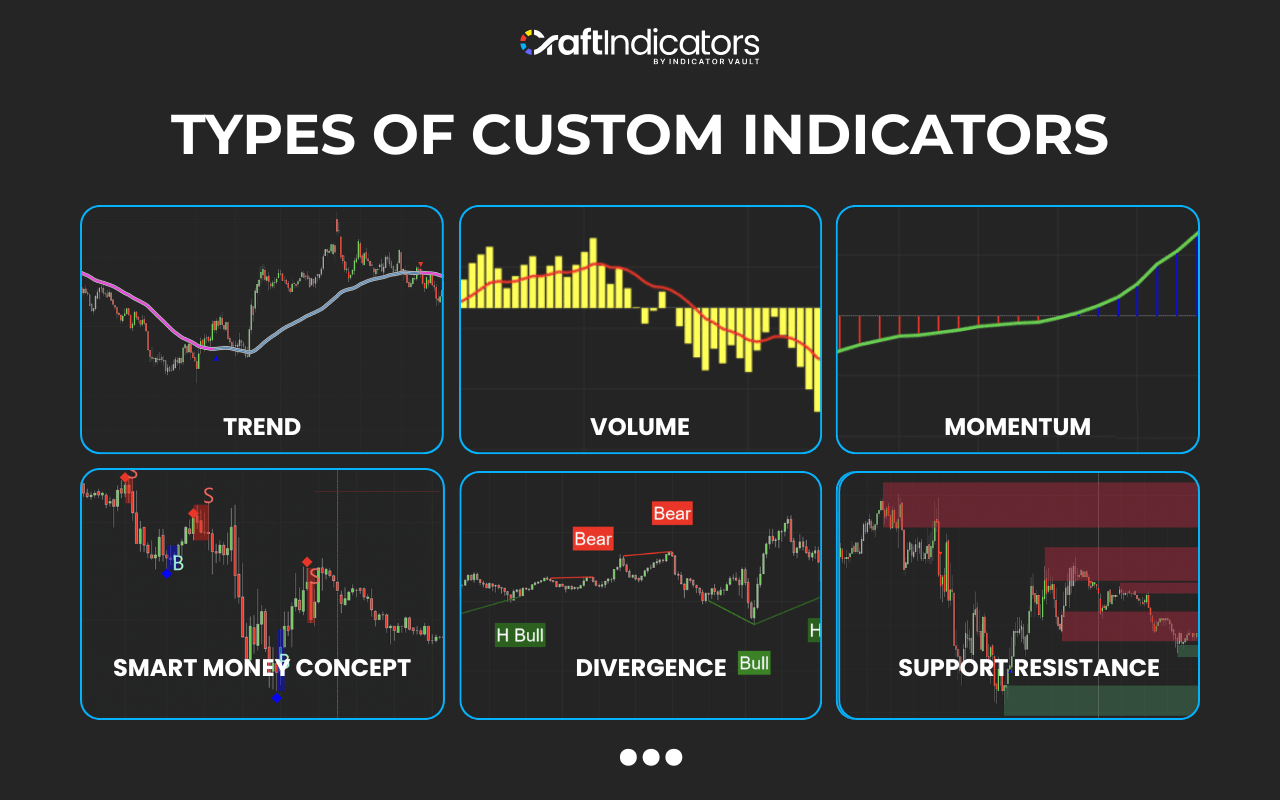
If you want to explore basic tools in each category, you can download a NinjaTrader free indicator to test how these signals behave in real charts.
What Our Sales Data Reveals About Trader Behavior
In 2025, traders faced a tough environment. Inflation cooled unevenly, interest rates stayed high, and energy markets swung sharply. Futures contracts like ES, NQ, CL, and GC were volatile. Traders needed tools that could cut through noise and highlight where big moves were likely to happen.
Our sales data shows three clear winners that met this need:
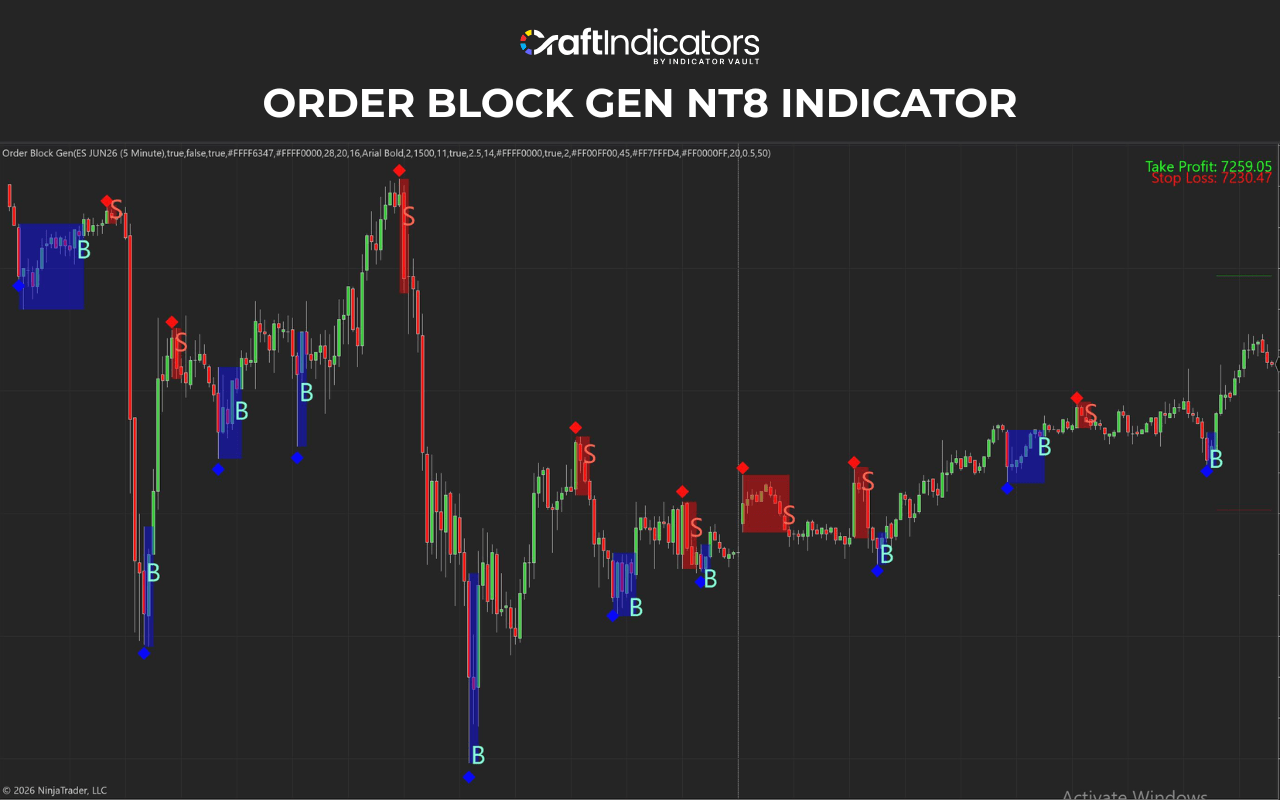
Order Block Gen Indicator for Futures Trading
This indicator detects institutional order blocks – the footprints of large buyers and sellers. It highlights reversal zones and provides entry, stop loss, and take profit suggestions. In 2025, when sudden reversals were common, traders relied on Order Block Gen to spot where price was likely to turn and avoid false setups.
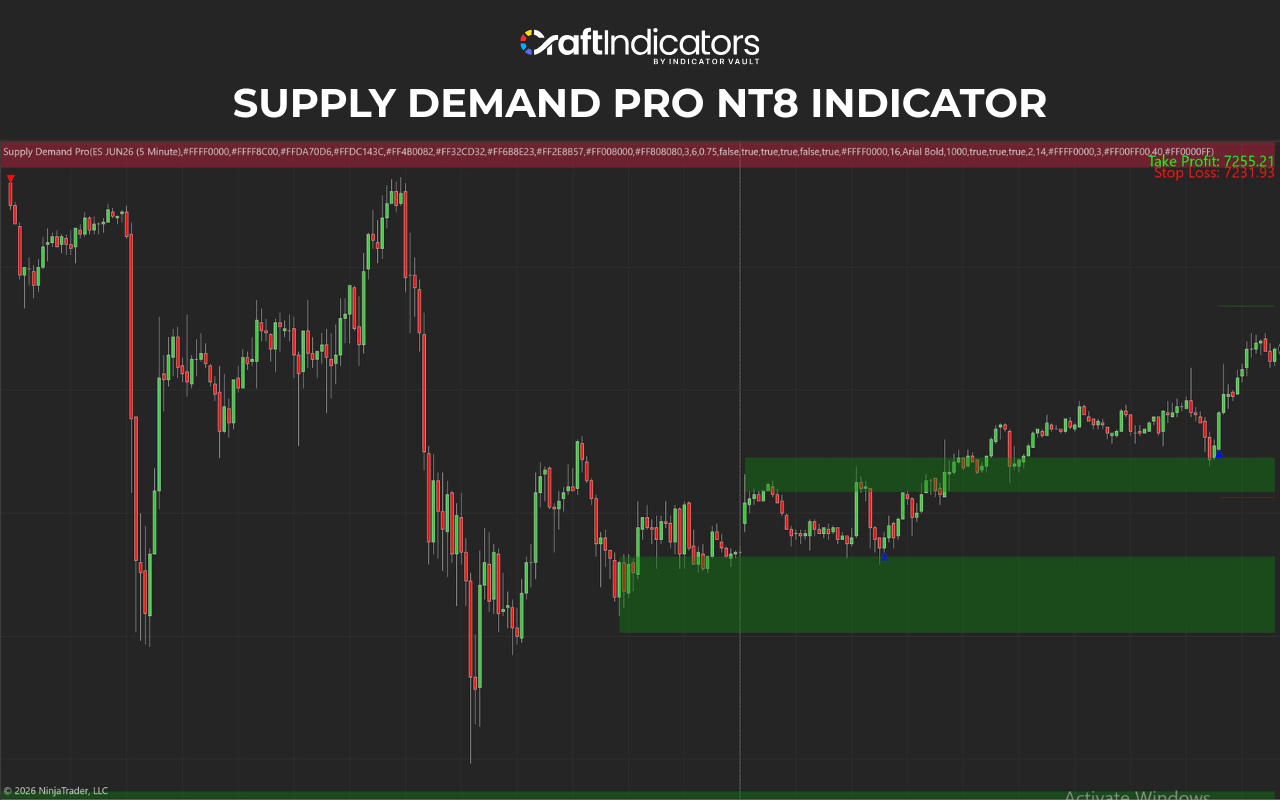
Supply Demand Pro Indicator for Futures Trading
This tool automatically marks strong supply and demand zones across any timeframe. It gives clear chart visuals and alerts when price approaches these zones. In a year when liquidity shifted quickly, traders used Supply Demand Pro to plan entries and exits with confidence, knowing where market pressure was strongest.
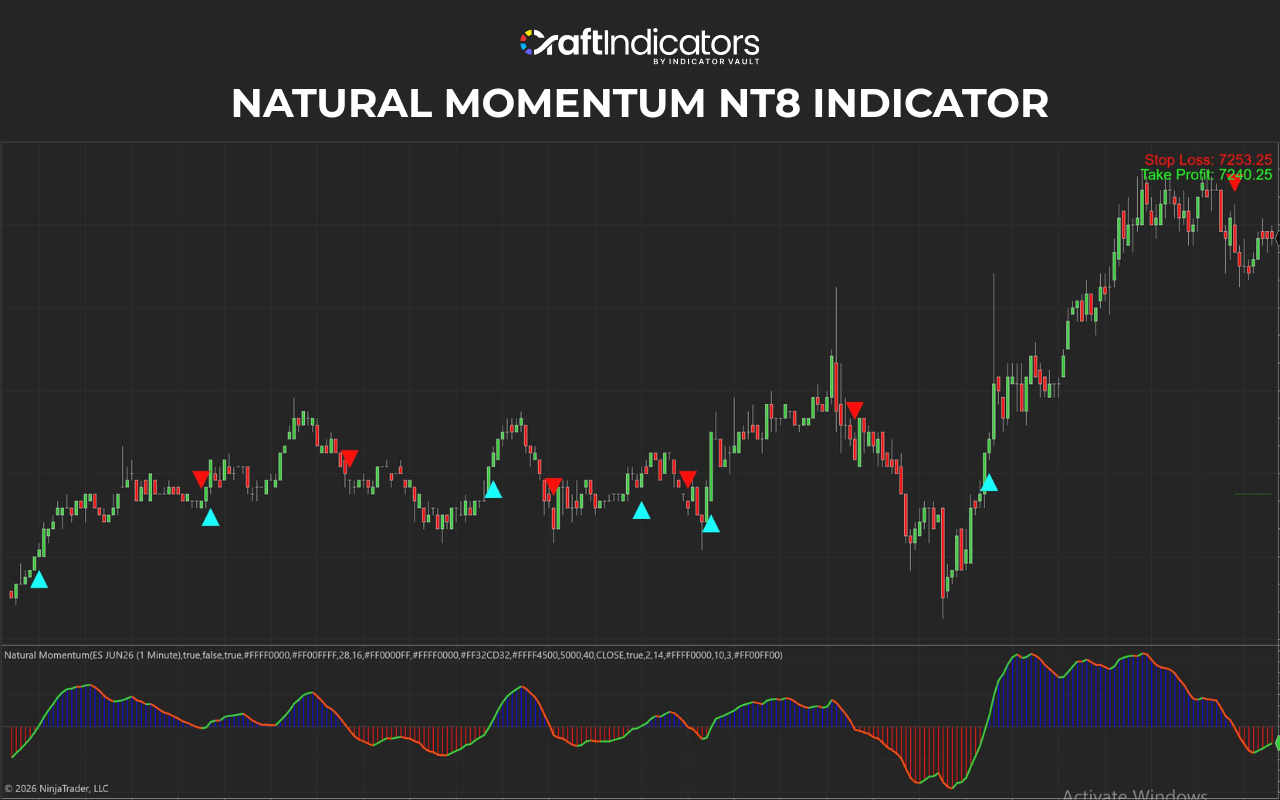
Natural Momentum Indicator for Futures Trading
Built with a natural‑logarithm algorithm and TEMA filter, this indicator reduces noise and predicts momentum shifts. It alerts traders when momentum builds or fades, helping them catch early trend changes. In 2025’s choppy conditions, Natural Momentum gave traders a cleaner read than traditional lagging tools like RSI or MACD.
Why Traders Chose These Indicators
- Volatility demanded precision: Order Block Gen and Supply Demand Pro showed institutional footprints and liquidity zones.
- Noise reduction was critical: Natural Momentum filtered out false signals.
- Risk management mattered more: Built‑in stop loss and take profit guidance helped traders stay disciplined.
These adoption patterns show a clear shift. Futures traders in 2025 moved away from generic indicators and toward smarter, adaptive tools. That behavior set the stage for 2026, where demand for predictive, structure‑based, and momentum‑focused indicators continues to grow.
Futures Indicator Trends Shaping 2026
The shift we saw in 2025 is now stronger in 2026. Traders want tools that go beyond simple chart studies. They look for indicators that can predict moves, highlight liquidity, and confirm momentum.
AI‑driven custom indicators are gaining attention because they adapt to changing market conditions. Order flow tools are now standard for futures traders, helping them see where big players are active. Volatility tools are more important than ever as markets swing harder.
The overall trend is clear: traders prefer fewer but smarter indicators that deliver high‑value signals without clutter.
How Traders Should Adapt Their Indicator Strategy in 2026
The best approach in 2026 is balance. Use proven tools like Order Block Gen and Supply Demand Pro to spot institutional footprints and strong zones. Add Natural Momentum or similar momentum filters to confirm when trends are real. Keep charts simple with two or three core indicators.
Build templates for ES, NQ, CL, and GC futures so analysis stays consistent across contracts. Test new AI‑based indicators in simulation before live trading. By combining trusted tools with emerging ones, traders can stay sharp and ready for fast market changes.
Final Thoughts: Building a Smarter Indicator Stack for 2026
Indicators are tools, not shortcuts. They help traders see the market more clearly and act with confidence. In 2026, the best futures traders use a smart mix of custom indicators. They combine tools that show trend, highlight supply and demand zones, reveal order blocks, and confirm momentum. They avoid clutter and focus only on signals that matter.
The lesson from 2025 is simple: traders who adapt and use precise, flexible indicators perform better in volatile markets. The same holds true in 2026. By building a smarter indicator stack with NinjaTrader 8, traders can stay ready for fast moves, manage risk, and keep their strategies sharp.
Also, follow us for all the promotions and other useful topics:
- Facebook: www.facebook.com/craftindicators
- Instagram: www.instagram.com/craftindicators
