

Futures trading vs options is one of the most common comparisons traders make when deciding how to manage risk and pursue profits. Both are derivatives, meaning they derive value from an underlying asset, but they function differently. Futures are financial contracts that create obligations, while options provide rights without obligations. Understanding these differences is critical for effective risk management, speculation, and liquidity planning.
Think of futures as a binding agreement to buy or sell at a set price on an expiration date. Options, on the other hand, are like reserving a ticket: you pay a premium for the right to act, but you are not forced to.
Read More: What is Futures Trading? Beginner’s Guide for Retail Traders
Understanding Futures Contracts
Futures contracts are a cornerstone of derivatives trading. To grasp their role in speculation and risk management, it helps to break them down into two parts: how they work mechanically and why they benefit retail traders.
Definition and Mechanics
A futures contract is a standardized agreement to buy or sell an asset at a predetermined price on a specific date. These contracts are traded on exchanges, ensuring transparency and liquidity. Futures cover commodities, currencies, and indices, making them versatile tools for speculation and hedging.
Benefits for Retail Traders
Futures offer several advantages. They are standardized, which means every trader knows the contract size, tick value, and expiration. The obligation to fulfill the contract creates discipline but also risk.
Leverage is a major benefit. With margin requirements, traders can control large positions with relatively small capital. For example, a $5,000 margin might control a $100,000 contract. This magnifies both gains and losses.
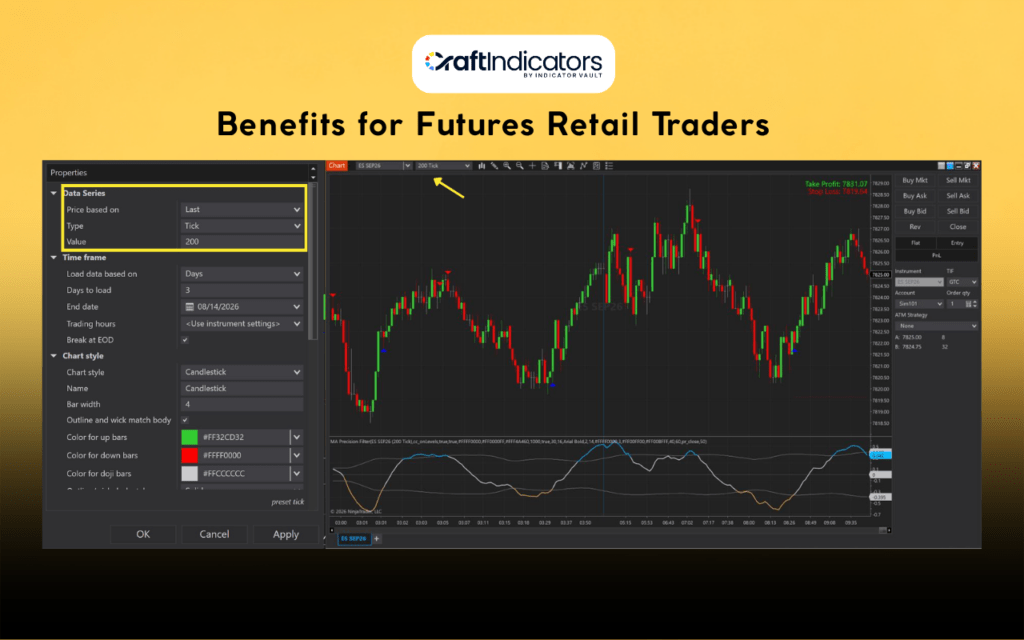
Liquidity in futures markets ensures tight spreads and fast execution. Platforms like NinjaTrader 8 provide advanced market analysis tools, transparent order books, and execution speed that retail traders rely on.
Read More: What is a Tick in Futures Trading: Tick Size, Tick Value, and Risk Management
Understanding Options Contracts
Options provide a different path for traders who want flexibility. To see their value, we first need to understand the rights they confer, then look at the practical benefits they deliver.
Definition and Mechanics
Options are contracts that grant the right, but not the obligation, to buy or sell an asset at a set price before expiration. Traders pay a premium for this right. Calls allow buying, while puts allow selling.
Benefits for Retail Traders
Options provide flexibility. Unlike futures, traders can choose whether to exercise their rights. This makes options powerful for hedging and speculation.
Costs are limited to the premium paid, which caps risk. Fees vary by broker, but platforms like NinjaTrader 8 offer competitive pricing and clear interfaces for options trading.
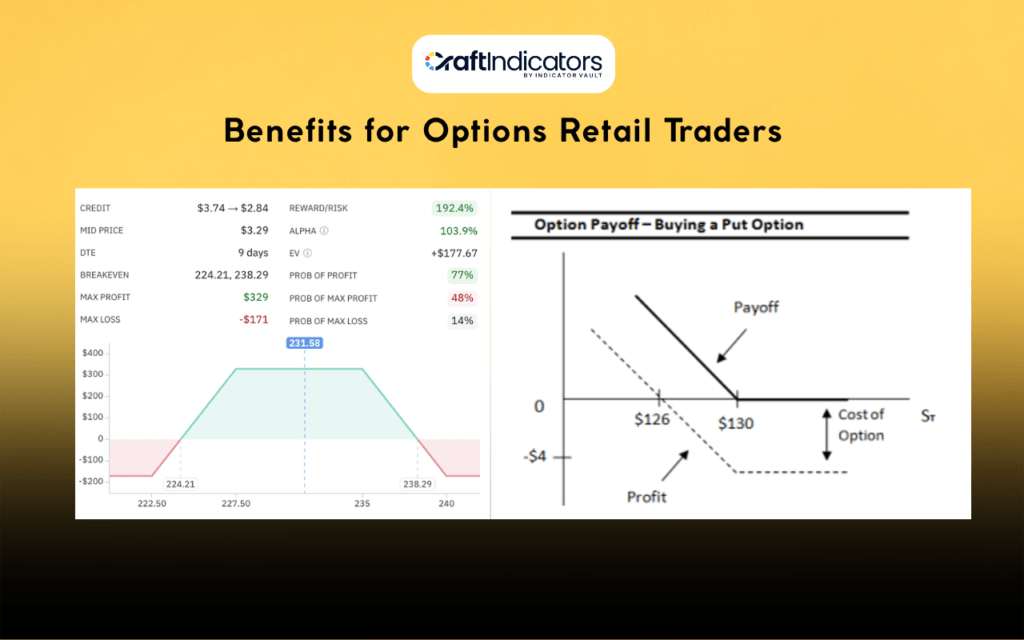
Options also enhance risk identification tools and risk assessment. Payoff diagrams help visualize potential outcomes, making them excellent for building a risk management framework.
Key Differences Between Futures and Options
Now that we have covered each instrument individually, it is time to compare them directly. The differences in obligations, leverage, and liquidity reveal why traders choose one over the other.
Obligations vs Rights
The most fundamental difference is obligations versus rights. Futures bind traders to act, while options give traders the choice. This distinction shapes risk exposure and strategy.
Read More: Futures Trading Strategies Explained with Real Examples
Margin and Leverage
Futures require margin deposits, creating leverage. Options require premiums, which are upfront costs but limit downside risk. Futures can magnify gains quickly, while options provide controlled exposure.
Liquidity and Market Access
Futures markets are highly liquid, with standardized contracts and transparent pricing. Options markets vary in liquidity depending on the underlying asset. Retail traders should evaluate spreads and execution speed when choosing between them.
A strong risk management framework helps balance these differences.
Practical Considerations for NinjaTrader 8 Users
With the instruments compared, retail traders need to consider how their platform supports execution. NinjaTrader 8 offers features that enhance both futures and options trading.
Platform Features and Custom Indicators
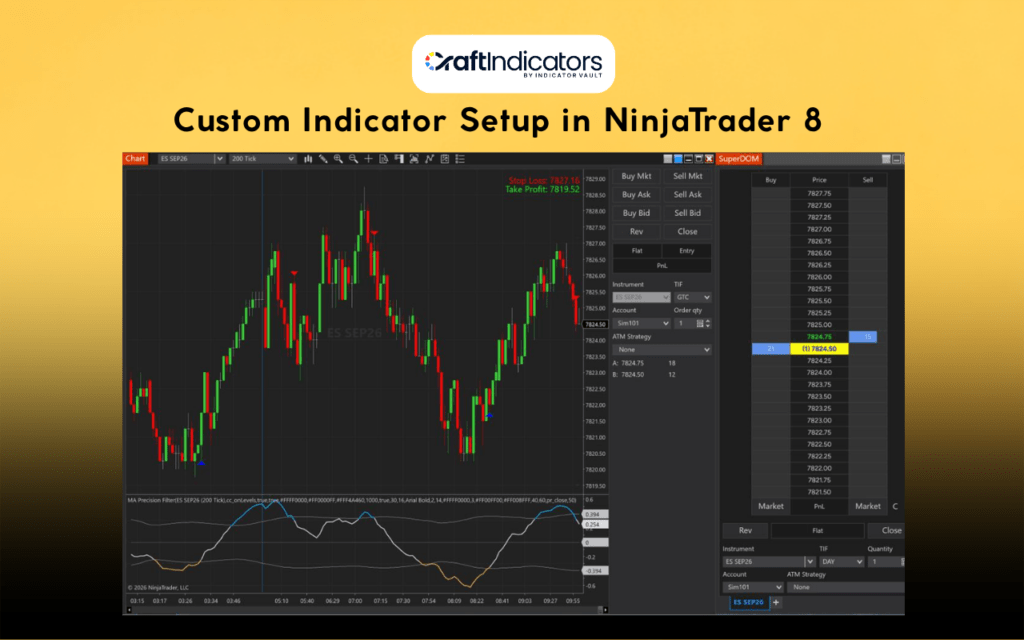
NinjaTrader 8 supports both futures and options trading. It offers customizable charts, automated strategies, and execution speed that retail traders value. Custom indicators allow traders to tailor analysis to their style, enhancing speculation and risk assessment.
Read More: What is the Best Futures Trading Platform: NinjaTrader, TradeStation & More
Cost and Fees
Costs vary between futures and options. Futures involve commissions and exchange fees, while options include premiums and sometimes assignment fees. Retail traders should compare spreads, hidden costs, and broker structures before committing capital.
Which Instrument Fits Your Strategy? Futures Trading vs Options Trading
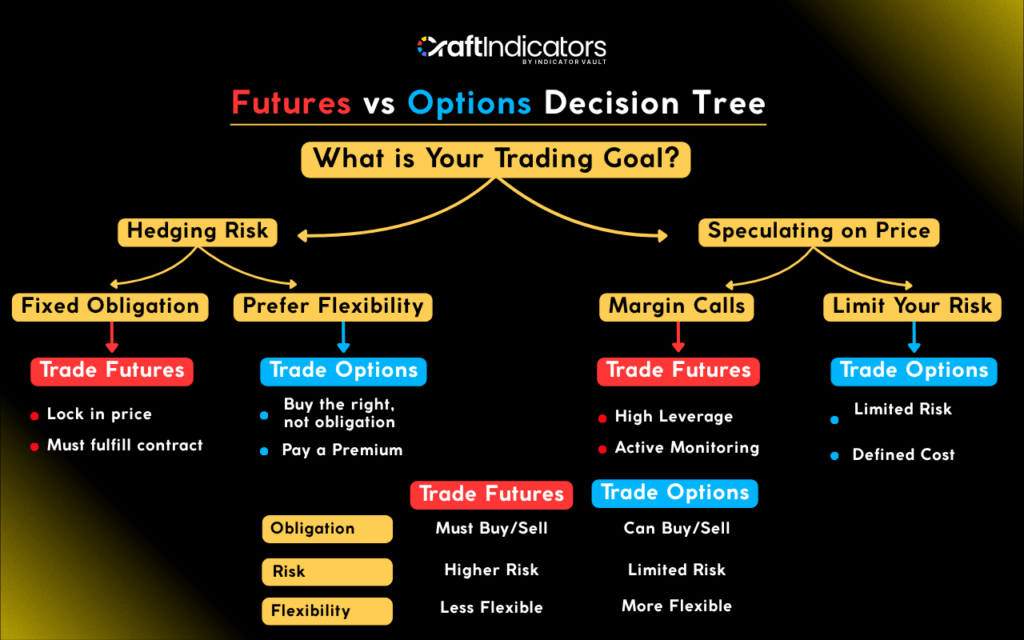
Futures are ideal for traders seeking liquidity and fast speculation. Options are better suited for those who value flexibility and hedging. The choice depends on trading style, risk tolerance, and the risk management framework you adopt.
Read More: Decision Trees in Finance: A Tool for Analyzing Risks and Outcomes
Conclusion: Building a Risk-Aware Trading Plan
Futures and options are powerful tools, but they differ in obligations, rights, leverage, and liquidity. Futures provide standardized contracts and speed, while options deliver flexibility and capped risk.
Retail traders should align instruments with their risk tolerance, strategy, and platform features. Using risk identification tools, a risk management framework, and thorough risk assessment ensures smarter decisions.
Also, follow us for all the promotions and other useful topics:
- Facebook: www.facebook.com/craftindicators
- Instagram: www.instagram.com/craftindicators
