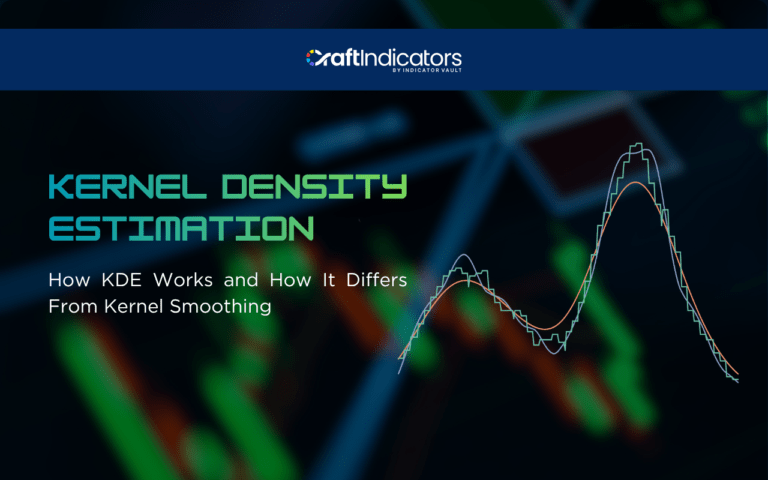
Kernel Density Estimation: How KDE Works and How It Differs From Kernel Smoothing

Kernel Density Estimation: How KDE Works and How It Differs From Kernel Smoothing

Financial markets are full of noise. Prices fluctuate, returns vary, and market conditions can change quickly, making it challenging to understand where data is concentrated or which observations are unusual. This is where Kernel Density Estimation (KDE) can help. KDE is a non-parametric statistical technique that estimates the probability distribution of financial data, giving traders…
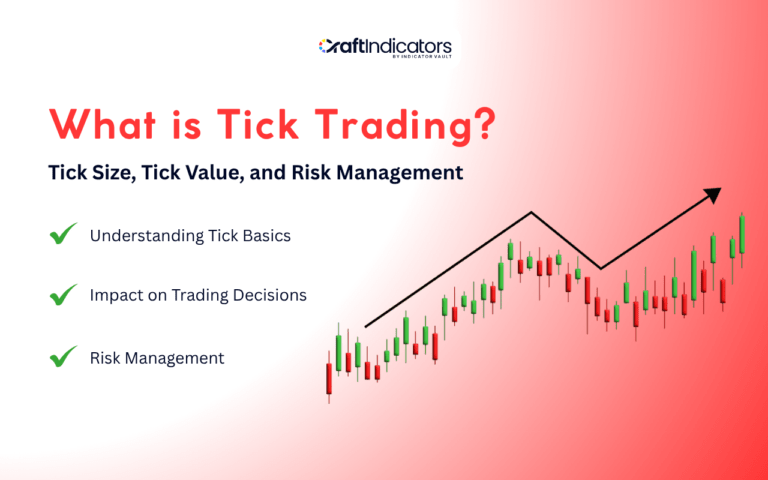
What is a Tick in Futures Trading: Tick Size, Tick Value, and Risk Management

What is a Tick in Futures Trading: Tick Size, Tick Value, and Risk Management

In futures trading, every price movement matters. A tick is the smallest price increment allowed in a futures contract. Think of it as the building block of market measurement.  Whether you are trading crude oil, gold, or the E-mini S&P 500, ticks define how contracts are quoted, how profits and losses are calculated, and how…

What is Futures Trading? Beginner’s Guide for Retail Traders
|

What is Futures Trading? Beginner’s Guide for Retail Traders

What is futures trading? At its core, futures trading is a cornerstone of modern financial markets. A futures contract is a type of financial derivative, meaning its value is based on an underlying asset. It is a standardized agreement between two parties to buy or sell that asset at a predetermined future price.  These contracts…

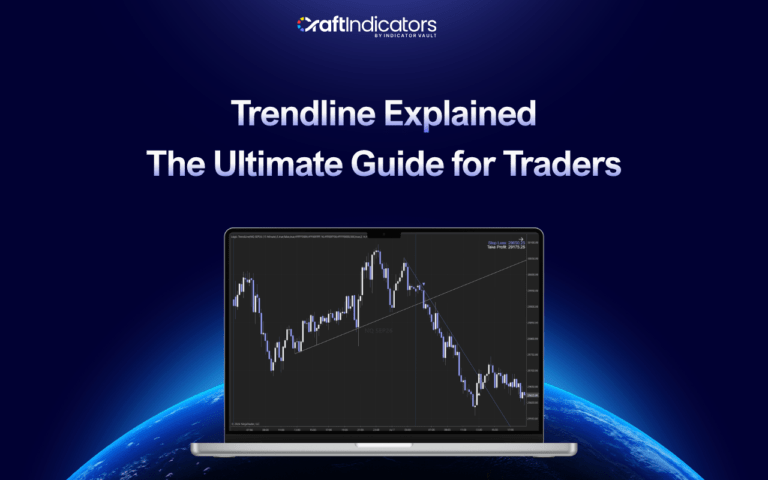
Trendline Explained: The Ultimate Guide for Traders

Trendline Explained: The Ultimate Guide for Traders

A trendline may look like a simple line on a chart, but it can reveal valuable insights about market behavior. As one of the foundations of technical analysis, trendlines help traders recognize trends, identify support and resistance, and anticipate potential breakout or reversal opportunities. Whether you’re just starting your trading journey or looking to refine…

Risk Identification: Methods, Tools, and Best Practices

Risk Identification: Methods, Tools, and Best Practices

Effective risk identification is the first step in building strong risk management in trading. By spotting market risk, liquidity risk, and emotional triggers early, traders gain control over exposure. This blog explains how trading psychology and trading discipline combine with tools like stop loss strategies, smart position sizing, and risk reward ratio to strengthen decision‑making. With NT8 indicators highlighting volatility and support levels, traders can identify risks faster and apply consistent risk control measures for long‑term success.