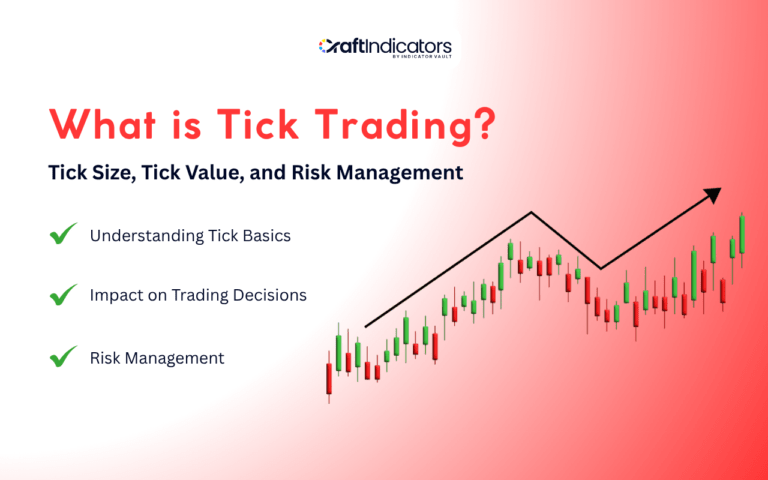
What is a Tick in Futures Trading: Tick Size, Tick Value, and Risk Management

What is a Tick in Futures Trading: Tick Size, Tick Value, and Risk Management

In futures trading, every price movement matters. A tick is the smallest price increment allowed in a futures contract. Think of it as the building block of market measurement.  Whether you are trading crude oil, gold, or the E-mini S&P 500, ticks define how contracts are quoted, how profits and losses are calculated, and how…

Futures Trading vs Options: Key Differences, Benefits, and Strategies for Retail Traders

Futures Trading vs Options: Key Differences, Benefits, and Strategies for Retail Traders

Retail traders often face the decision of whether to trade futures or options. Both are derivatives, meaning they derive value from an underlying asset, but they function differently. Futures are financial contracts that create obligations, while options provide rights without obligations. Understanding these differences is critical for effective risk management, speculation, and liquidity planning. Think…

What is Futures Trading? Beginner’s Guide for Retail Traders
|

What is Futures Trading? Beginner’s Guide for Retail Traders

Futures trading is a cornerstone of modern financial markets. A futures contract is a type of financial derivative, meaning its value is based on an underlying asset. It is a standardized agreement between two parties to buy or sell that asset at a predetermined future price.  These contracts are widely used across commodities such as…

Risk Identification: Methods, Tools, and Best Practices

Risk Identification: Methods, Tools, and Best Practices

Effective risk identification is the first step in building strong risk management in trading. By spotting market risk, liquidity risk, and emotional triggers early, traders gain control over exposure. This blog explains how trading psychology and trading discipline combine with tools like stop loss strategies, smart position sizing, and risk reward ratio to strengthen decision‑making. With NT8 indicators highlighting volatility and support levels, traders can identify risks faster and apply consistent risk control measures for long‑term success.

Day Trading Risk Management: Proven Strategies to Protect Capital

Day Trading Risk Management: Proven Strategies to Protect Capital

Effective day trading risk management is the backbone of sustainable trading. By combining strong trading psychology, disciplined decision‑making, and smart position sizing, traders can control risk exposure and protect capital. This blog explores key risk management techniques, practical tools like stop loss strategies and risk reward ratio, plus how NT8 indicators enhance risk control. Whether trading intraday or across longer trading timeframes, mastering risk management best practices ensures trading consistency and long‑term success.